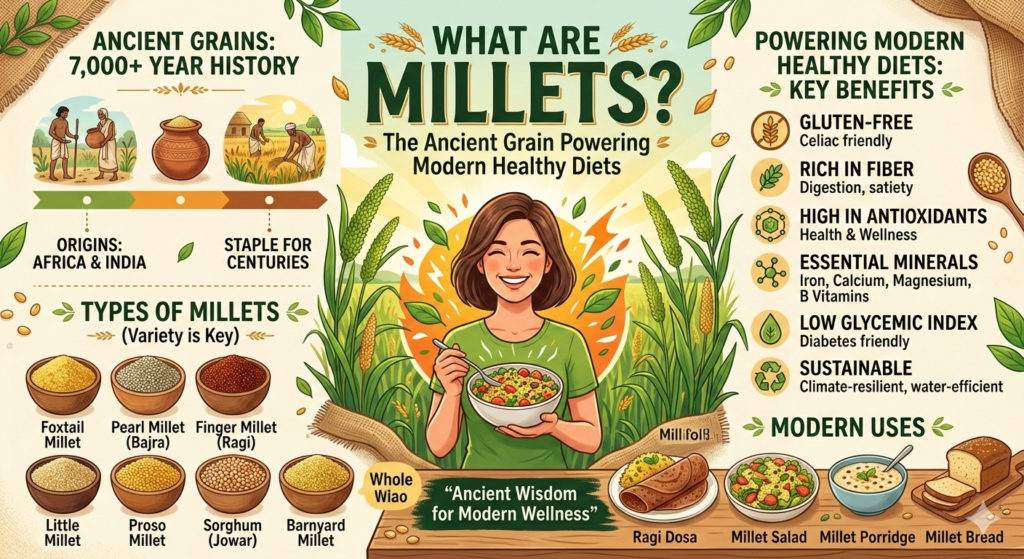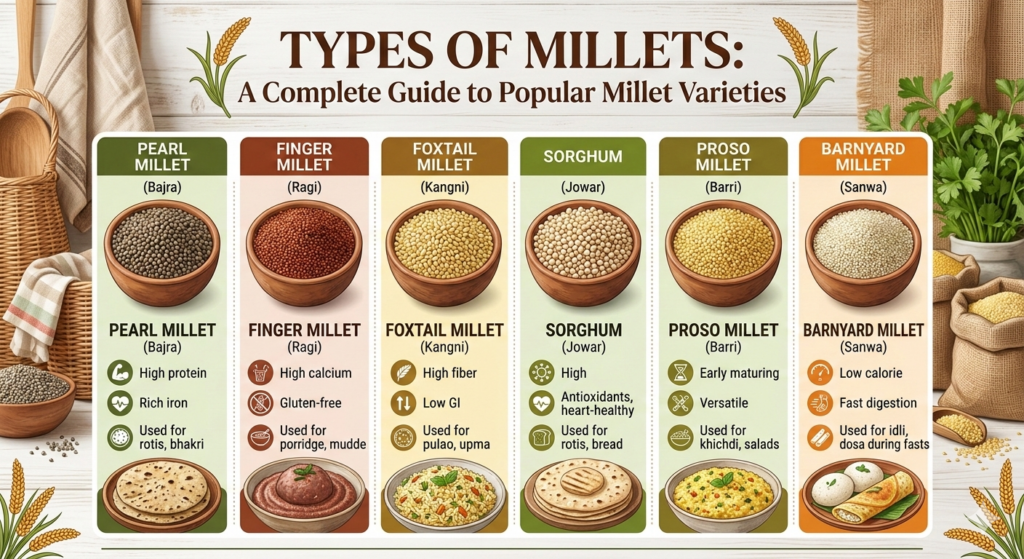
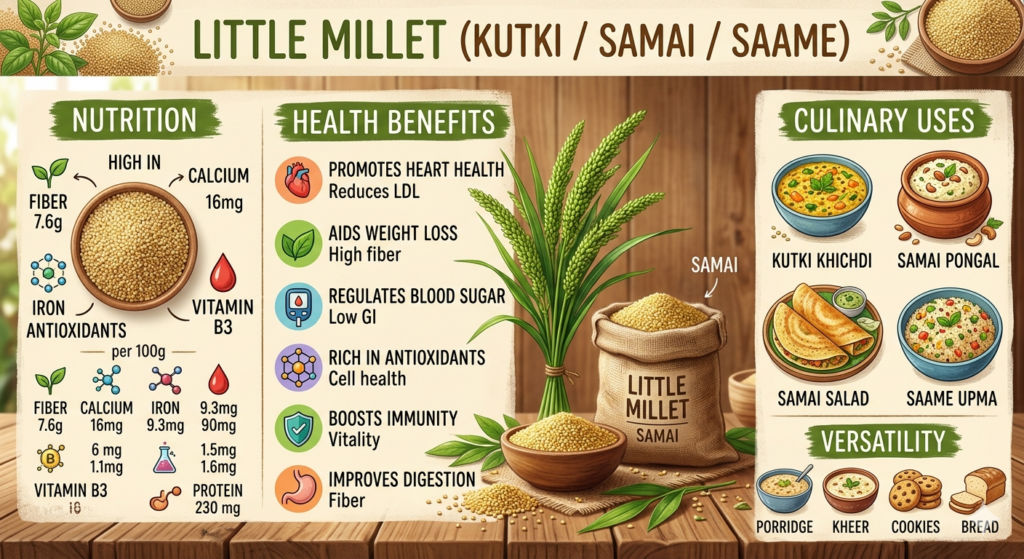
Little Millet is a traditional small-grained cereal that has been cultivated for centuries in parts of Asia. Known by regional names such as Kutki, Samai, and Saame, this millet has long been part of traditional diets in several regions of India.
Despite its small size, little millet offers an impressive nutritional profile and is valued for its versatility in cooking. In recent years, it has gained increasing attention as people seek healthier whole grains that support balanced diets and sustainable agriculture.
What Is Little Millet?
Little millet belongs to the species Panicum sumatrense and produces tiny round grains that are typically pale yellow or greyish in color. The crop grows well in dryland conditions and is known for its ability to thrive in relatively poor soils with limited rainfall.
Traditionally cultivated in several parts of India and Southeast Asia, little millet has served as an important staple food for rural communities. Because it grows well in marginal agricultural conditions, it has also been an important crop for small-scale farmers.
Nutritional Profile of Little Millet
Little millet is considered a nutrient-dense whole grain that provides a range of essential nutrients needed for overall health.
Key nutrients found in little millet include:
- Dietary fiber: Supports healthy digestion
- Protein: Helps maintain muscle and tissue health
- Iron: Important for red blood cell production
- Magnesium and phosphorus: Support bone and muscle function
- Antioxidants: Help protect the body from oxidative stress
Like most millets, little millet is naturally gluten-free and can be included in diets that avoid gluten-containing grains.
Health Benefits of Little Millet
Including little millet in regular meals may provide several potential health benefits.
Supports Digestive Health
The fiber content in little millet helps promote smooth digestion and supports gut health.
Helps Maintain Stable Blood Sugar Levels
As a whole grain with complex carbohydrates, little millet digests slowly, which may help support stable blood sugar levels for individuals managing conditions such as Type 2 Diabetes.
Supports Heart Health
The presence of dietary fiber and minerals may help maintain healthy cholesterol levels and support cardiovascular function.
Provides Long-Lasting Energy
Little millet provides complex carbohydrates that release energy gradually, helping maintain steady energy levels throughout the day.
Culinary Uses of Little Millet
Little millet is highly versatile in the kitchen and can often be used as a substitute for rice in many recipes. Its mild flavour allows it to pair well with a variety of ingredients and spices.
- Common culinary uses include:
- Millet-based pulao or rice dishes
- Upma and savory porridges
- Salads and grain bowls
- Flour for traditional breads and baked goods
Because of its nutritional value and light texture, little millet is increasingly being used in modern healthy recipes and millet-based food products.
Little Millet in Sustainable Agriculture
Little millet is an important crop for sustainable farming systems. It requires relatively little water and can grow in soils that may not support other cereal crops. This resilience makes it valuable for farmers in semi-arid and drought-prone regions.
In recognition of the importance of millets for sustainable food systems, the United Nations declared International Year of Millets 2023 to encourage greater awareness and cultivation of these traditional grains.
The Growing Interest in Little Millet
As awareness of whole grains and traditional foods continues to grow, little millet is gradually returning to modern diets. Its nutritional benefits, adaptability in agriculture, and versatility in cooking make it an important grain for both traditional cuisines and contemporary healthy eating patterns.