Plant-based eating continues to expand globally, and with it comes a growing interest in meat alternatives. Among the most popular options are jackfruit, tofu, and tempeh. While they are often grouped together in vegan and vegetarian cooking, they are fundamentally different in origin, nutrition, and culinary purpose.
Understanding how these foods compare helps consumers make better dietary choices based on protein needs, taste preferences, and cooking goals.
Understanding the Basics: Fruit vs Soy-Based Proteins
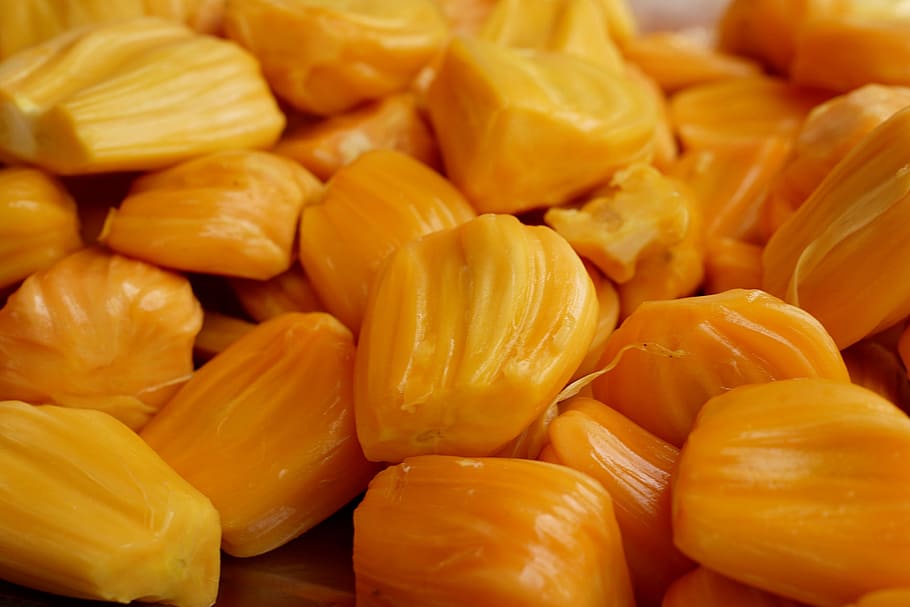
Jackfruit (Artocarpus heterophyllus) is a tropical fruit classified botanically by Kew Gardens as the largest tree-borne fruit in the world. When unripe, its fibrous texture resembles shredded meat, which has made it popular in vegan cooking. However, despite its texture, jackfruit is not a high-protein food.
Tofu, by contrast, is made from soybeans. It is produced by curdling soy milk and pressing it into blocks. Tofu is widely recognized as a plant-based protein staple and has been consumed for centuries in Asian cuisines.
Tempeh is also made from soybeans but undergoes fermentation before being pressed into firm blocks. The fermentation process gives tempeh a denser texture and a more pronounced, nutty flavour.
Although these three foods are often used interchangeably in recipes labeled “vegan,” their nutritional roles are quite different.
Nutritional Differences: Protein, Calories, and Fiber
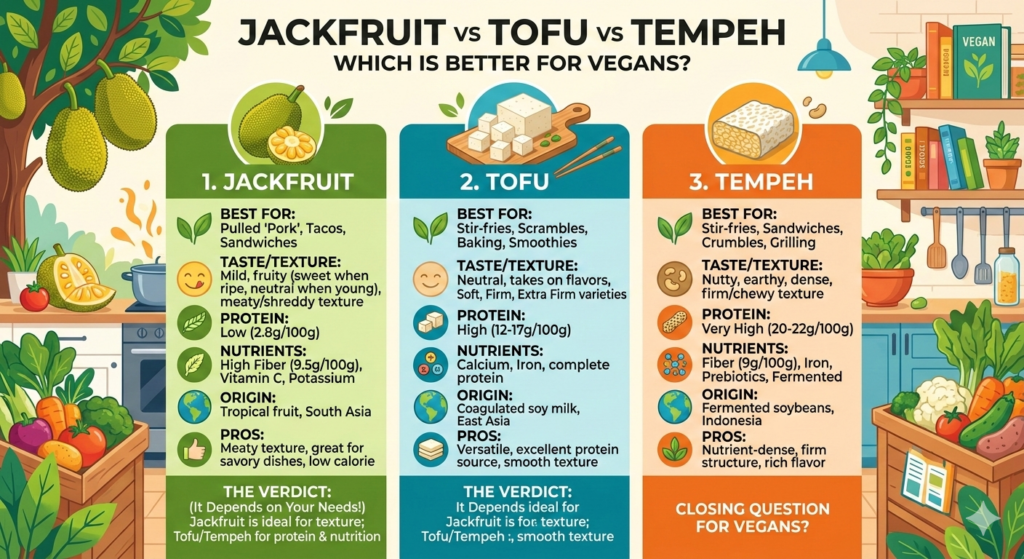
According to data from U.S. Department of Agriculture FoodData Central, tofu and tempeh are significantly higher in protein compared to jackfruit.
Jackfruit contains carbohydrates and dietary fiber, particularly when ripe, but it provides minimal protein. It should not be considered a primary protein source in a vegan diet.
Tofu provides a substantial amount of protein with moderate fat content, making it a balanced option for individuals seeking muscle maintenance or satiety without excessive calories.
Tempeh generally contains even more protein than tofu and is also higher in calories due to its density and natural fat content. Because it uses whole soybeans, tempeh retains more fiber than tofu, which loses fiber during processing.
In simple terms, if protein intake is your primary goal, tofu or tempeh is nutritionally superior to jackfruit.
Texture and Culinary Application
The reason jackfruit gained popularity in plant-based cooking is its texture rather than its nutrient profile. When unripe and cooked, it shreds easily and absorbs marinades well, mimicking pulled pork or shredded chicken. This makes it ideal for tacos, sandwiches, and barbecue-style dishes.
Tofu, on the other hand, is neutral in flavor and absorbs seasoning effectively. It can be soft, firm, or extra-firm, making it adaptable for stir-fries, curries, scrambles, and even desserts.
Tempeh has a firmer structure and holds its shape when sliced or grilled. Its slightly nutty and earthy taste makes it suitable for sandwiches, bowls, and grilled dishes where a hearty texture is desired.
Each ingredient serves a different culinary function. Jackfruit provides texture, tofu provides versatility, and tempeh provides density and richness.
Fermentation and Digestibility
One key difference between tofu and tempeh lies in fermentation. Tempeh undergoes a controlled fermentation process that binds soybeans into a firm cake. Fermented foods may support gut health due to beneficial microbial activity, though individual responses can vary.
Tofu is not fermented and is generally milder in taste and easier for beginners to incorporate into meals.
Jackfruit is neither fermented nor a protein product; it remains a whole fruit used primarily for its structural qualities in cooking.
Which Is Better for Weight Management?
For individuals focused on weight management, tofu often provides the best balance between protein and calorie density. It promotes satiety while remaining moderate in fat content.
Tempeh, while protein-rich, is more calorie-dense and may require portion control depending on dietary goals.
Jackfruit is relatively low in fat but higher in carbohydrates. While it can be part of a balanced diet, it does not provide the protein needed for muscle maintenance or long-term satiety on its own.
Which Is Better for Muscle Building?
For muscle support and higher protein intake, tempeh typically offers the most protein per serving, followed closely by tofu. Both are complete protein sources derived from soy.
Jackfruit, despite its popularity as a meat substitute, should not be relied upon as a primary protein source for individuals with higher protein needs.
There is no single “best” option among jackfruit, tofu, and tempeh. The right choice depends on your nutritional priorities and cooking goals.
Jackfruit is best used as a texture-based meat alternative in savory dishes. Tofu is a versatile, protein-rich staple suitable for a wide range of meals. Tempeh offers higher protein density and the added characteristic of fermentation.
Many vegans and vegetarians incorporate all three into their diets for variety, balance, and culinary flexibility.