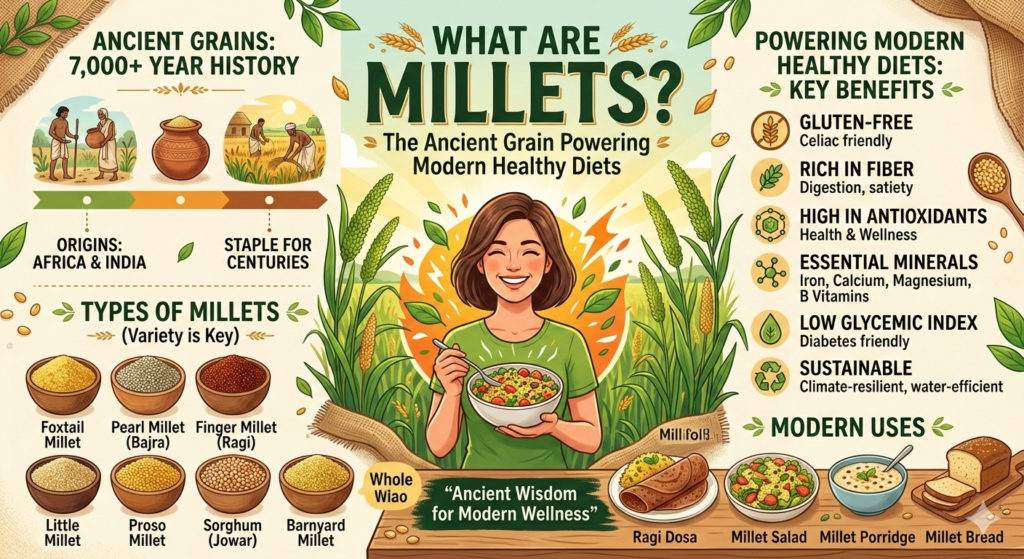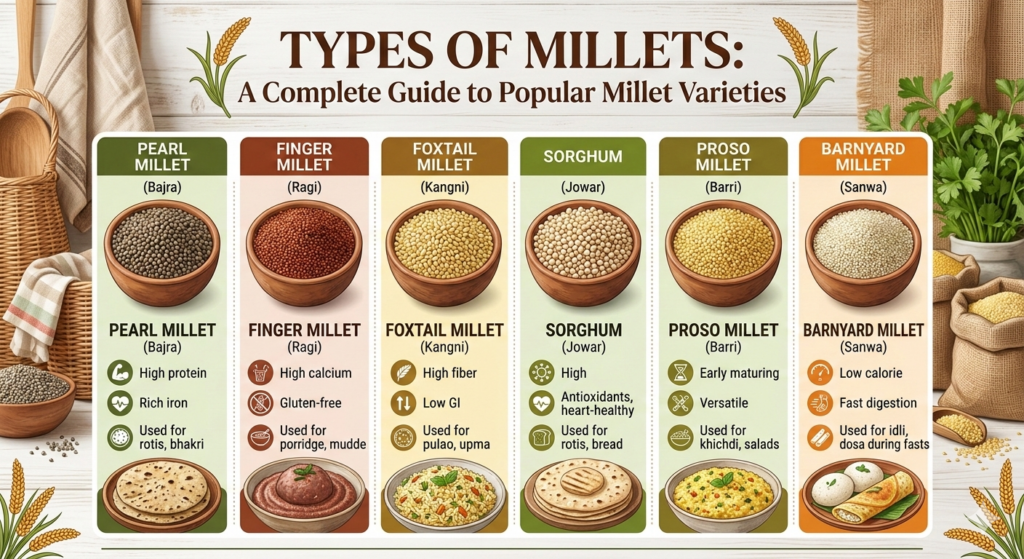
Finger Millet is a highly nutritious cereal grain that has been cultivated for thousands of years in parts of Africa and Asia. Commonly known as Ragi or Nachni in India, this ancient millet is valued for its exceptional nutritional profile, particularly its high calcium and iron content.
Finger millet has long been a staple in many traditional diets, especially in regions with dry climates where other crops may struggle to grow. Today, it is gaining renewed attention as consumers increasingly seek wholesome, nutrient-rich grains that support balanced diets.
What Is Finger Millet?
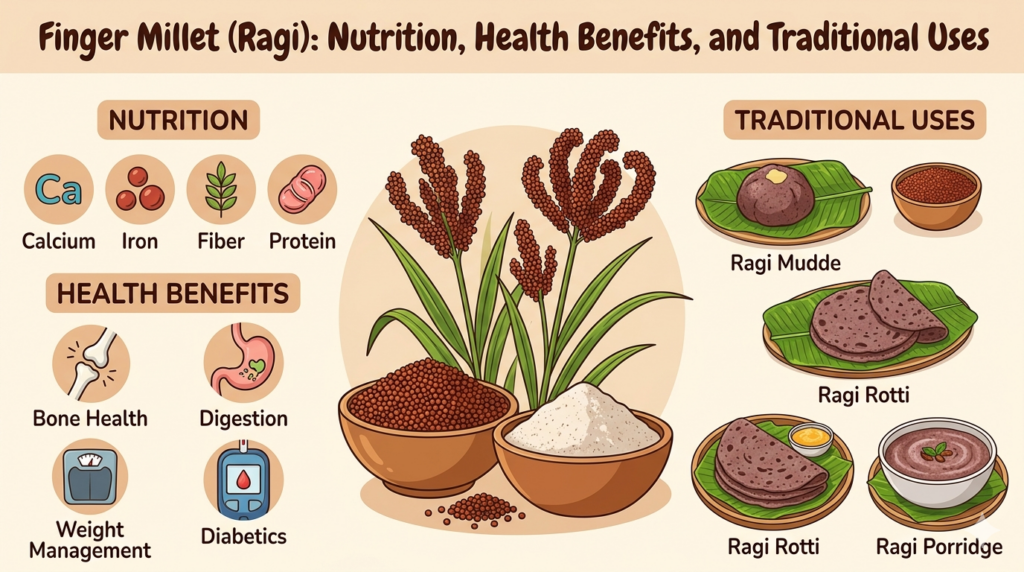
Finger millet belongs to the species Eleusine coracana and is characterized by its small reddish-brown grains. The crop gets its name from the distinctive shape of its seed head, which resembles fingers spreading out from the top of the plant.
The grain is widely cultivated in India, parts of East Africa, and other tropical regions. Because of its ability to grow in poor soil conditions and withstand drought, finger millet is considered an important crop for sustainable agriculture.
Traditionally, finger millet is ground into flour and used to prepare a variety of foods, including porridges, flatbreads, and fermented dishes.
Nutritional Profile of Finger Millet
Finger millet is widely regarded as one of the most nutritious millets due to its high concentration of essential nutrients.
Key nutrients found in finger millet include:
- Calcium: One of the richest plant-based sources of calcium among cereals
- Dietary fiber: Supports digestion and gut health
- Iron: Helps support healthy blood circulation
- Protein: Contributes to muscle maintenance and growth
- Antioxidants: Help protect cells from oxidative stress
Because it is naturally gluten-free, finger millet can also be included in diets designed for individuals avoiding gluten.
Health Benefits of Finger Millet
The nutritional richness of finger millet contributes to several potential health benefits.
Supports Bone Health
Finger millet is particularly known for its high calcium content, which can help maintain strong bones and teeth.
Helps Manage Blood Sugar Levels
Its fiber content and relatively low glycemic index may support stable blood sugar levels, making it beneficial for individuals managing conditions such as Type 2 Diabetes.
Promotes Digestive Health
The dietary fiber in finger millet helps support healthy digestion and may help prevent constipation.
Provides Sustained Energy
As a whole grain with complex carbohydrates, finger millet provides slow-releasing energy that can help maintain energy levels throughout the day.
Culinary Uses of Finger Millet
Finger millet is highly versatile and widely used in traditional and modern recipes. It is typically ground into flour, which can then be used in a variety of dishes.
Common culinary uses include:
- Ragi porridge: A nutritious breakfast option
- Ragi roti or flatbread
- Fermented foods such as dosa and idli
- Baked goods including bread and cookies
Because of its mild flavour and nutritional value, finger millet is also commonly used in foods prepared for infants and elderly individuals.
Finger Millet in Sustainable Agriculture
Finger millet is an important crop for farmers in semi-arid regions due to its resilience and relatively low water requirements. It can grow in conditions where other cereal crops may fail, making it valuable for maintaining food production in challenging environments.
The global significance of millets, including finger millet, has been increasingly recognized. To promote awareness of their nutritional and agricultural benefits, the United Nations designated International Year of Millets 2023 to encourage their cultivation and consumption worldwide.
The Growing Popularity of Finger Millet
As interest in whole grains and traditional foods continues to grow, finger millet is being rediscovered by nutritionists, food producers, and consumers. Its combination of nutritional richness, versatility in cooking, and environmental resilience makes it an important grain for both traditional diets and modern health-conscious lifestyles.