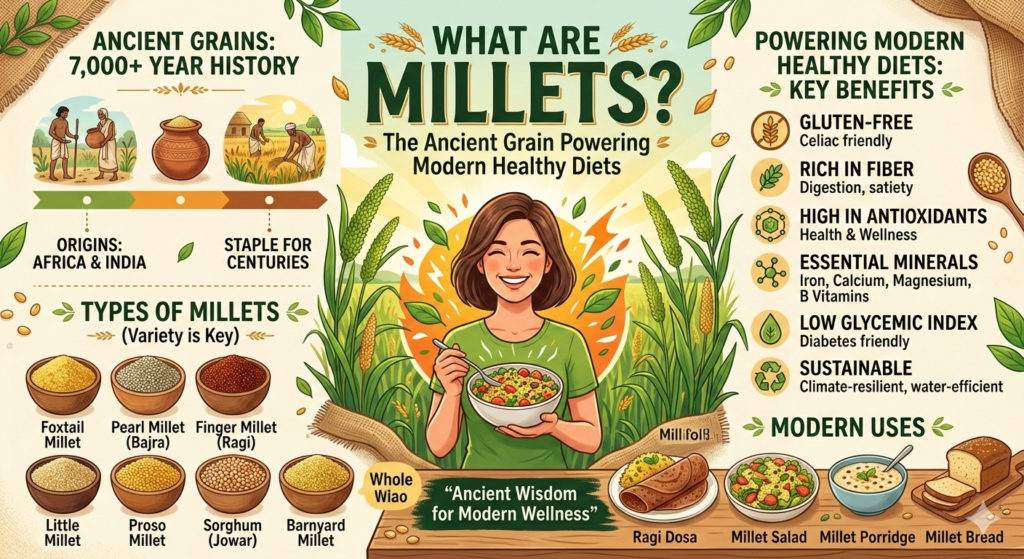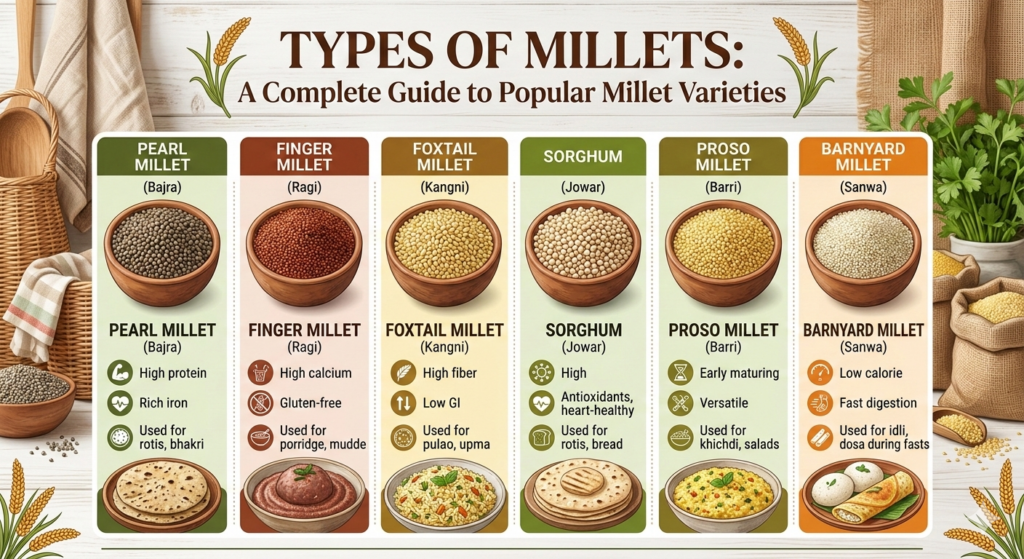
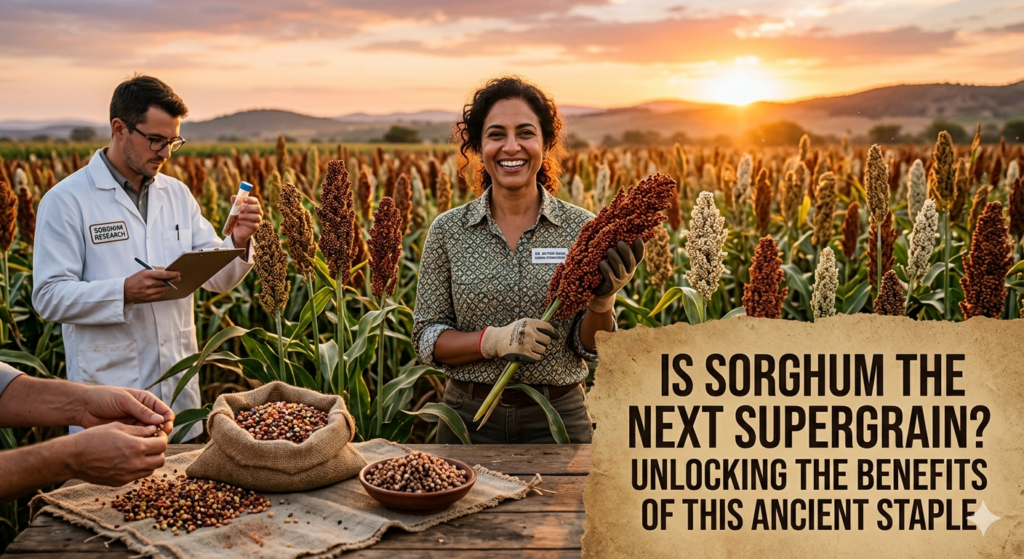
While wheat, rice, and corn dominate the global pantry, a powerful ancient grain is quietly stepping back into the spotlight. Sorghum, a versatile and resilient staple eaten for thousands of years across Africa and Asia, is being rediscovered by health enthusiasts and nutritionists alike.
As highlighted by Dr. Michael Greger of NutritionFacts.org, this “forgotten grain” is more than just a gluten-free alternative it is a nutritional powerhouse with unique disease-fighting properties.
A Fiber Front-Runner
While most modern diets are protein-heavy, they are often critically deficient in fiber. Sorghum pulls to the front of the pack in this category. High fiber intake is essential not just for digestive regularity, but for maintaining a healthy gut microbiome, managing weight, and reducing the risk of chronic metabolic diseases.
Superior Antioxidant Power
Where sorghum truly shines is its polyphenol content. Polyphenols are plant compounds associated with a reduced risk of cancer, cardiovascular diseases, and neurodegenerative disorders.
The “Color” Factor: While white sorghum is healthy, pigmented varieties specifically red and black sorghum boast antioxidant levels that rival those of many fruits and vegetables.
The Blood Test: In interventional studies, swapping just 30% of wheat flour for red sorghum flour caused the antioxidant capacity in the human bloodstream to shoot up 15-fold.
Unique Cancer-Fighting Pigments
Sorghum contains rare pigments known as 3-deoxyanthocyanins. These are not just for color; they are strong inducers of detoxifying enzymes in the liver. Laboratory research has shown that these unique compounds can inhibit the growth of human cancer cells, specifically in breast and colon cancer models.
The Gold Standard for Gluten-Free Living
For those with Celiac disease or gluten intolerance, sorghum is one of the safest and most reliable grains available. Unlike some processed gluten-free substitutes that lack nutrition, sorghum provides a dense profile of micronutrients and minerals, making it a “whole food” solution for restrictive diets.
Heart Health and Beyond
The combination of high fiber and rich plant compounds helps sorghum act as a natural defender against heart disease. By helping to regulate blood sugar levels and providing systemic antioxidant support, it addresses multiple pillars of long-term wellness simultaneously.
How to Bring Sorghum into Your Kitchen
- Popped Sorghum: Just like popcorn, but smaller and more nutrient-dense. It makes for a perfect crunchy snack.
- Whole Grain Bowls: Use pearled sorghum as a base for Mediterranean or Buddha bowls. It has a chewy texture similar to Israeli couscous.
- Baking Flour: Substitute a portion of your regular flour with sorghum flour in pancakes, muffins, or bread for a boost in antioxidants and fiber.