
Benefits of Millet
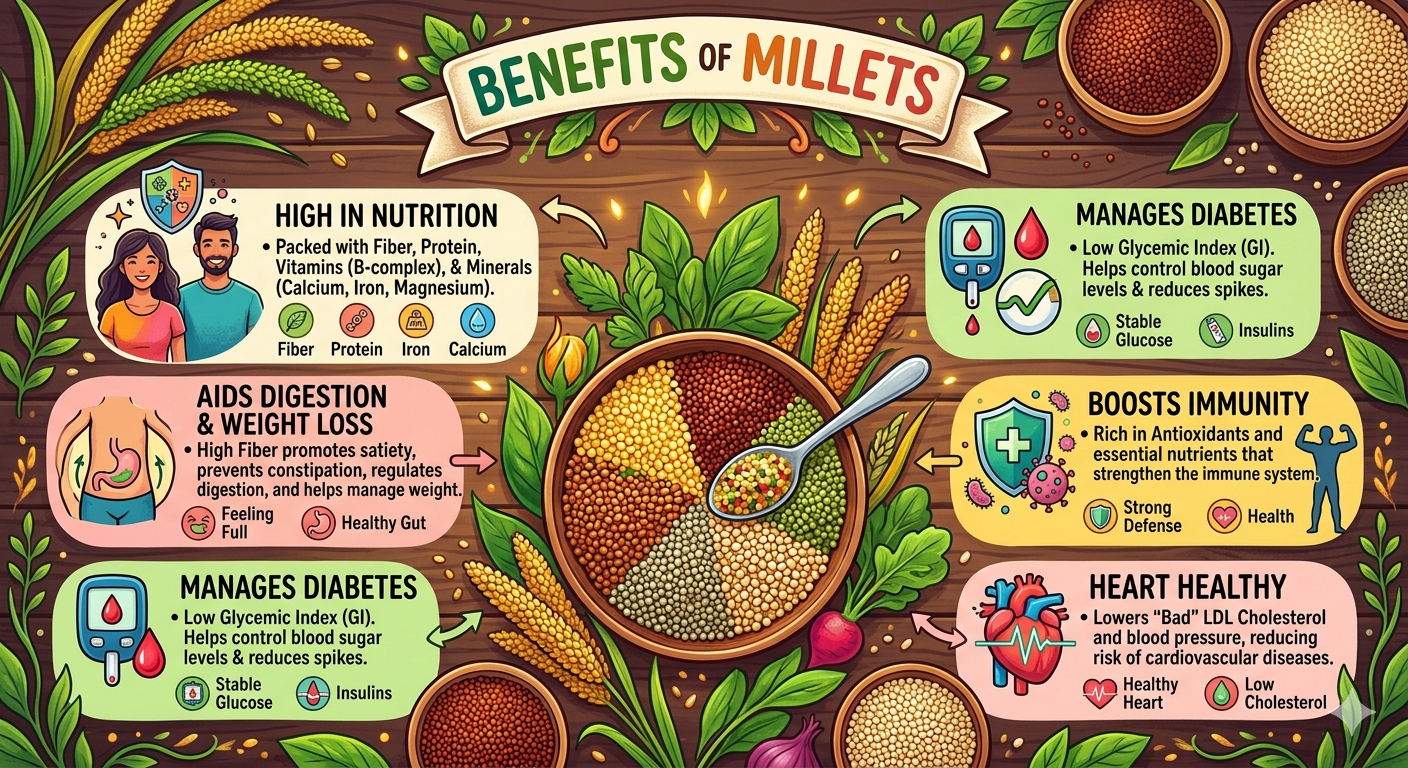
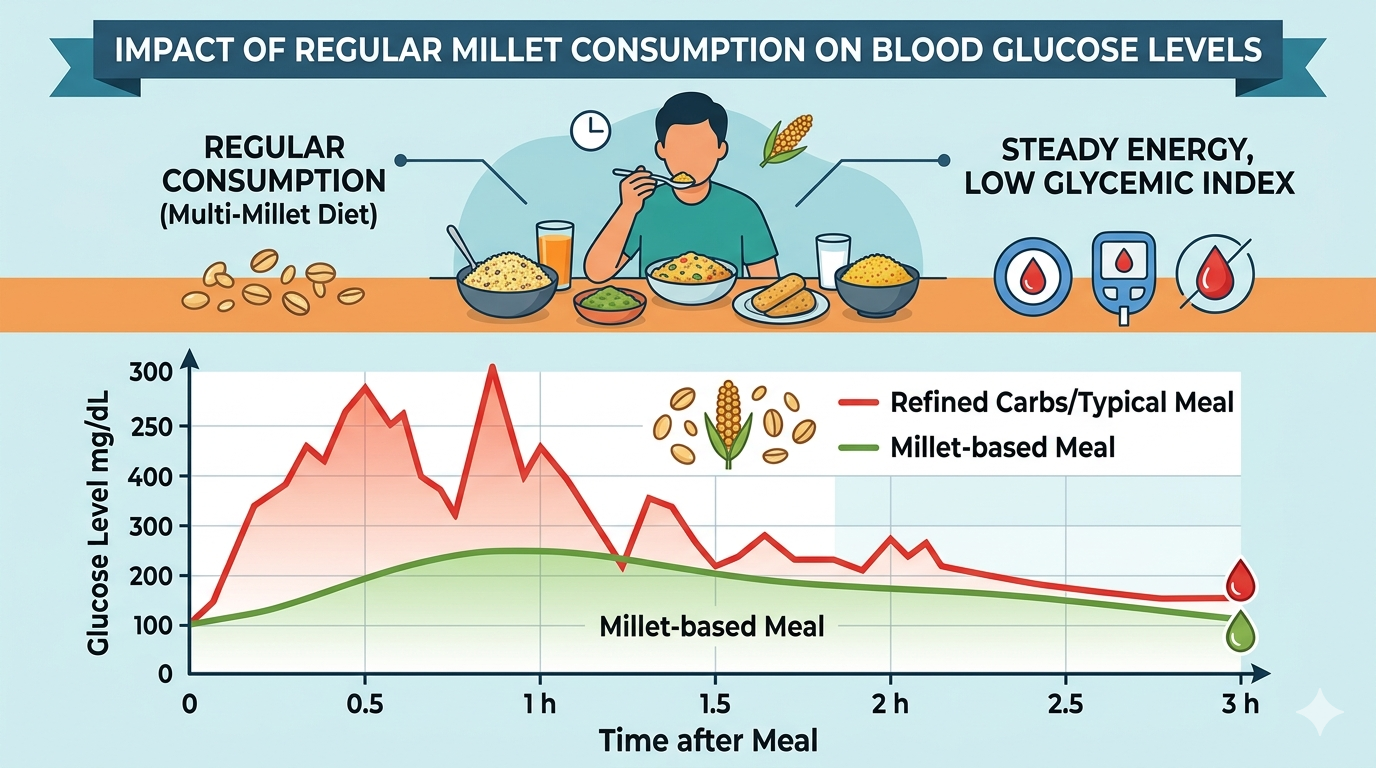
This systematic review and meta-analysis indicates that regular millet consumption significantly reduces fasting and post-meal blood glucose levels compared to standard staples.
Credits: Seetha Anitha et al., published in Frontiers in Sustainable Food Systems.

This article explains how the high fiber content and prebiotic properties of millets like Jowar, Bajra, and Ragi support a balanced gut microbiome. By adding bulk to stool and stimulating beneficial bacteria, millets help prevent constipation and acidity while serving as a nutritious gluten-free…
Credits: Blog by All Sow Great.
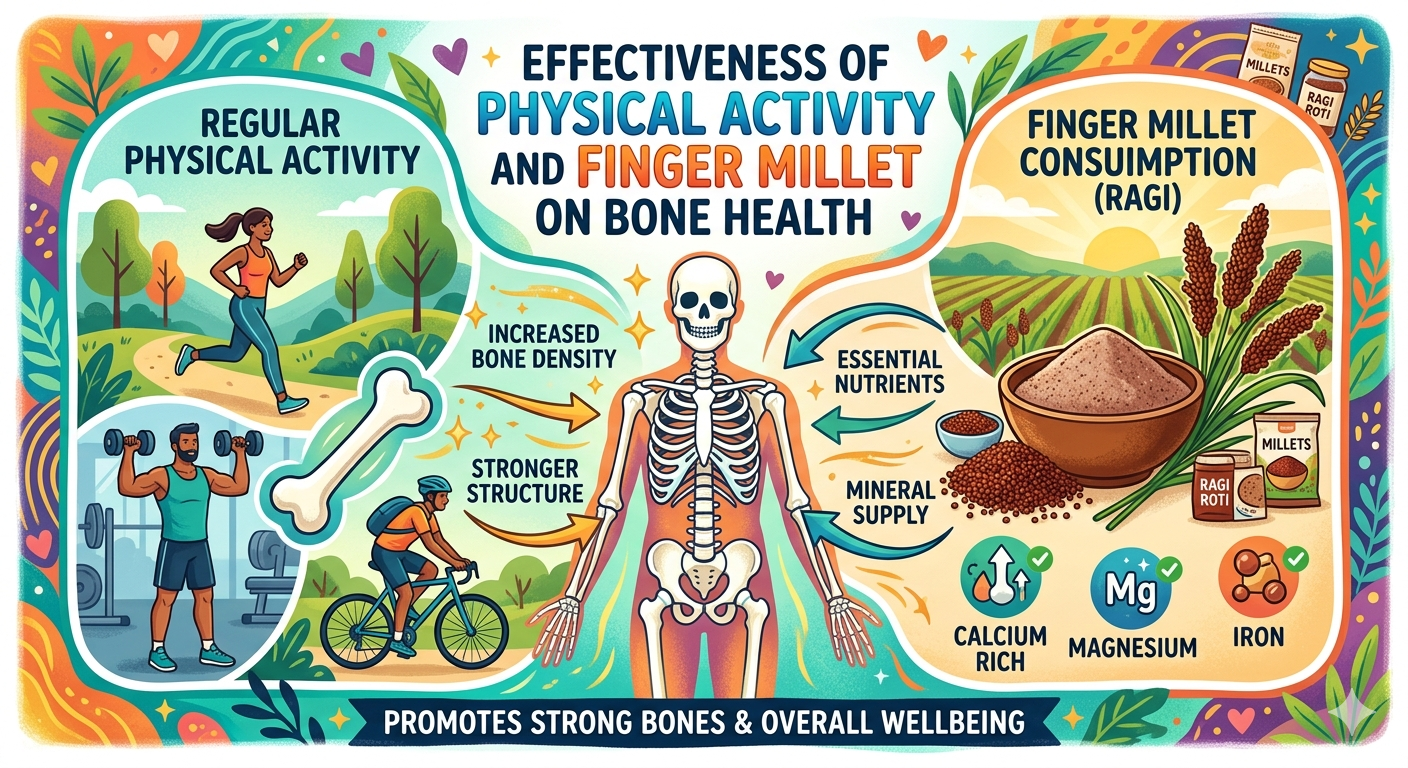
This study explores how a combination of regular physical activity and finger millet (ragi) supplementation significantly improves bone mineral density and serum calcium levels in premenopausal women. Finger…
Credits: Published in Evidence-Based Complementary and Alternative Medicine.
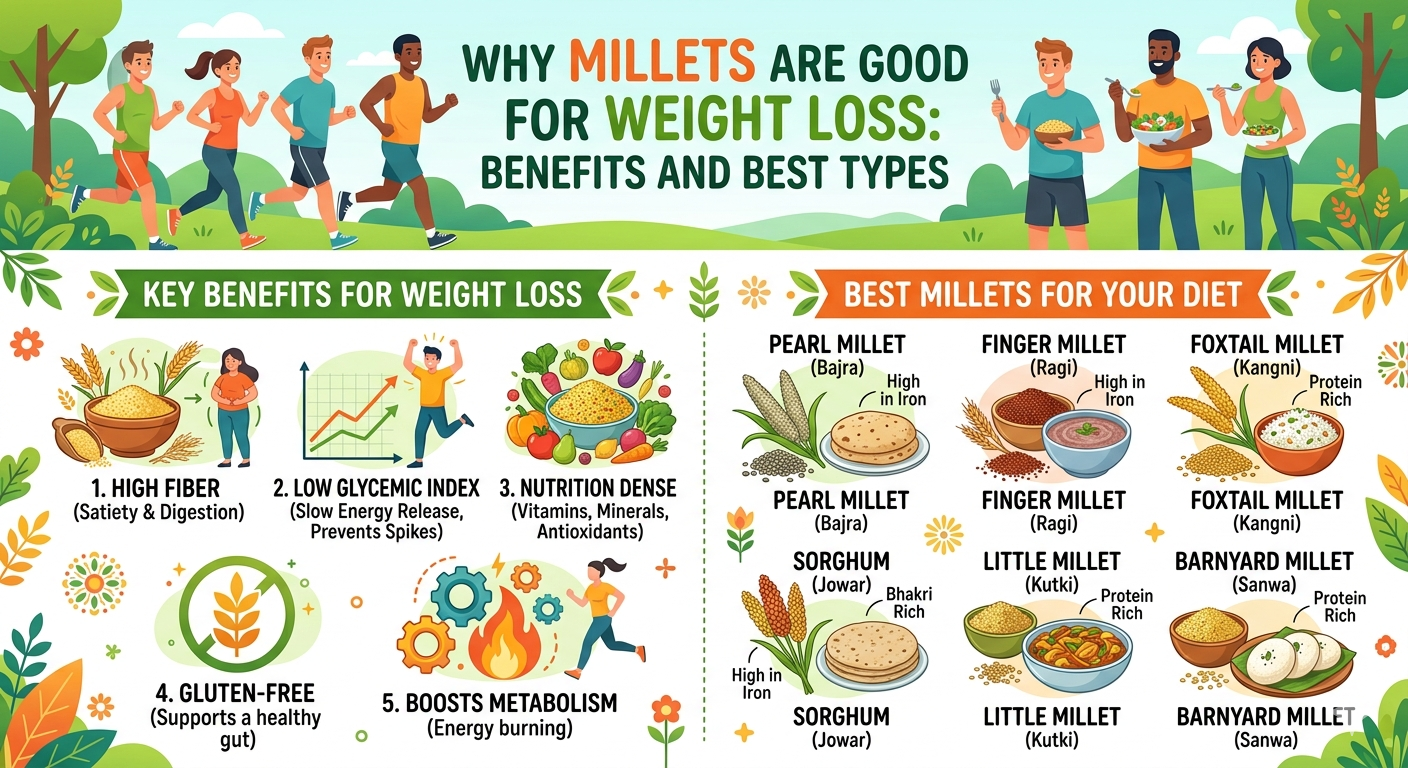
This article highlights how millets aid weight loss through their low glycemic index, high fiber, and high protein content. These “star grains” help control appetite by providing long-lasting satiety and …
Credits: Written by Mrinal Pandit for Oliva Skin, Hair & Body Clinics.
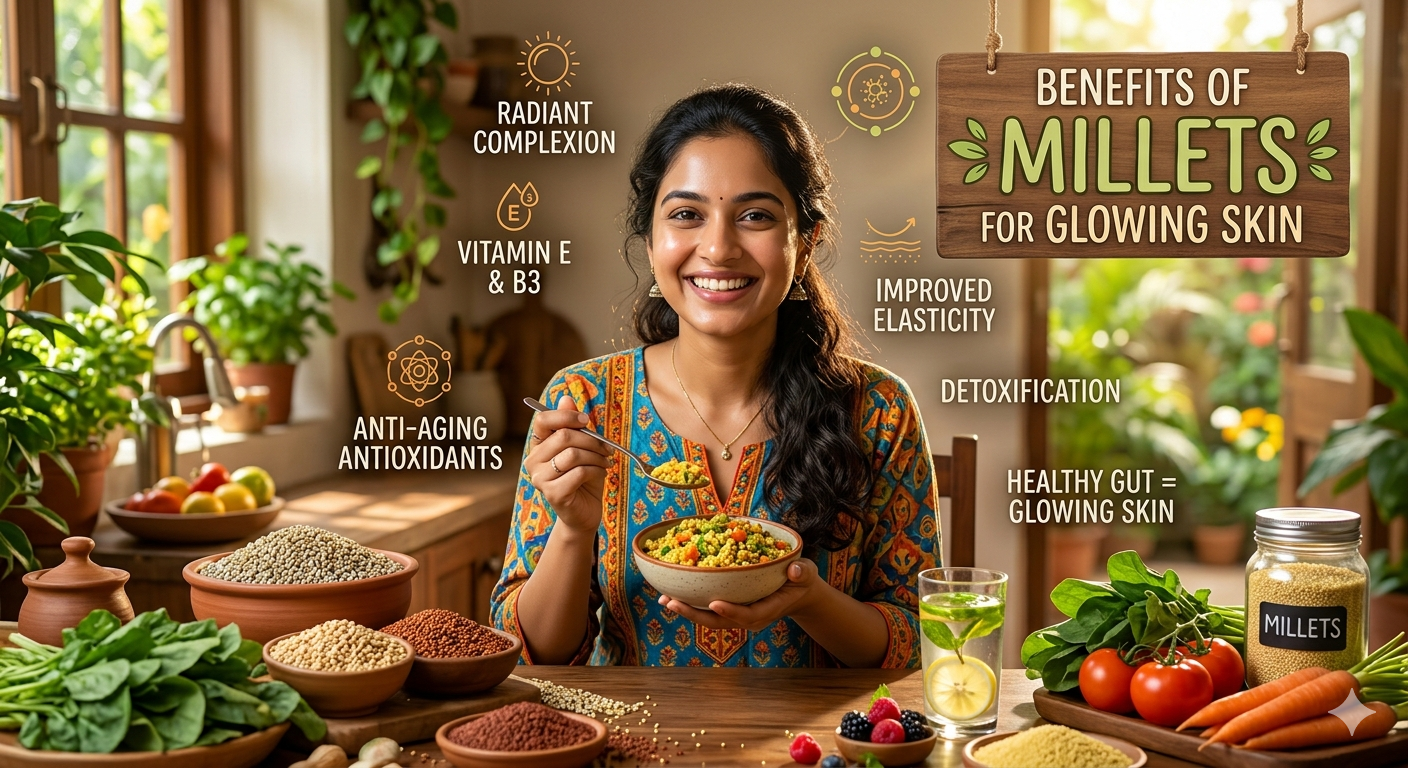
This article details how millets act as a skincare superfood by fighting signs of aging with antioxidants, boosting collagen with essential amino acids, and clearing acne through detoxification. Varieties like Ragi and Bajra provide the zinc,…
Credits: Blog by Karamele.
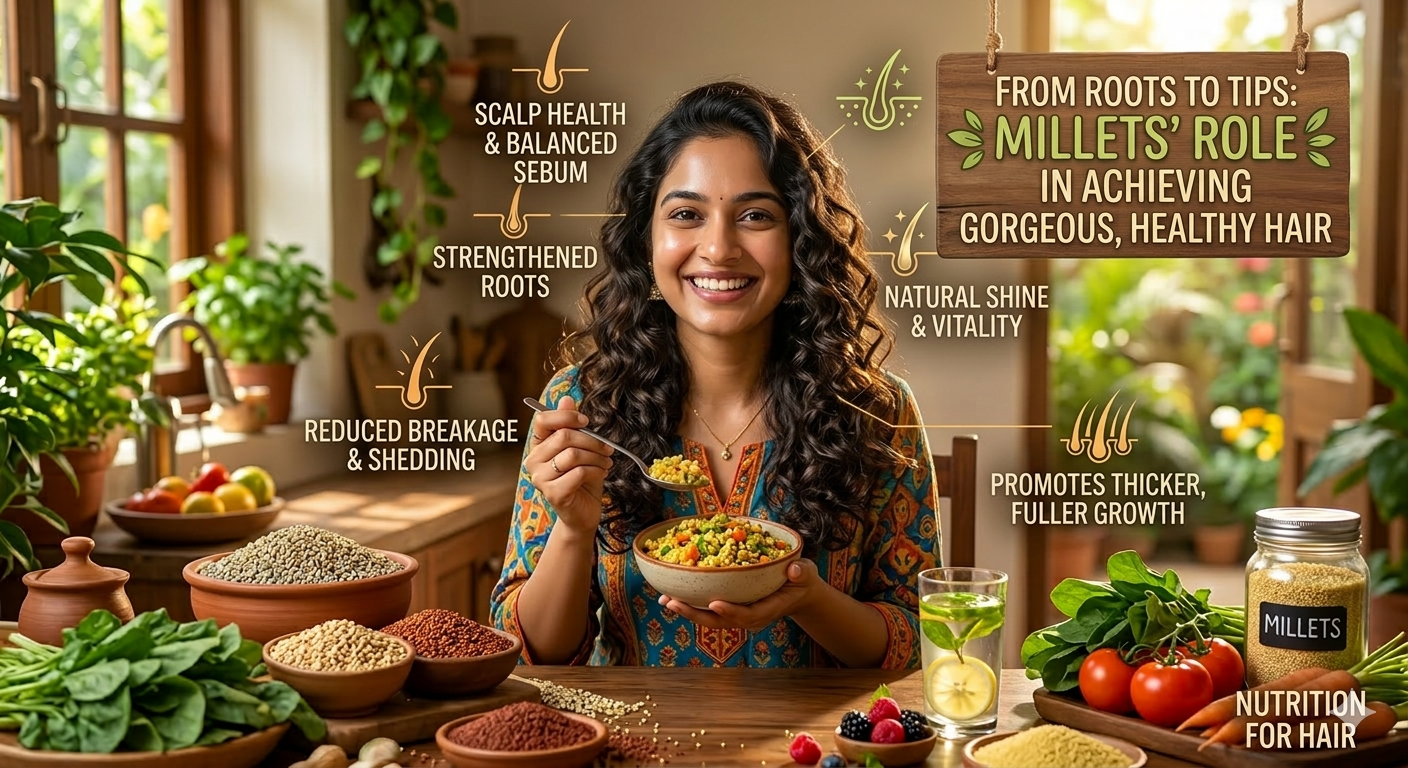
This article explains how millets act as a natural solution for hair loss and dullness. Rich in iron, protein, and silica, varieties like Bajra, Ragi, and Foxtail millet strengthen hair follicles, improve texture, and stimulate growth. The blog also…
Credits: Blog by Bazic.
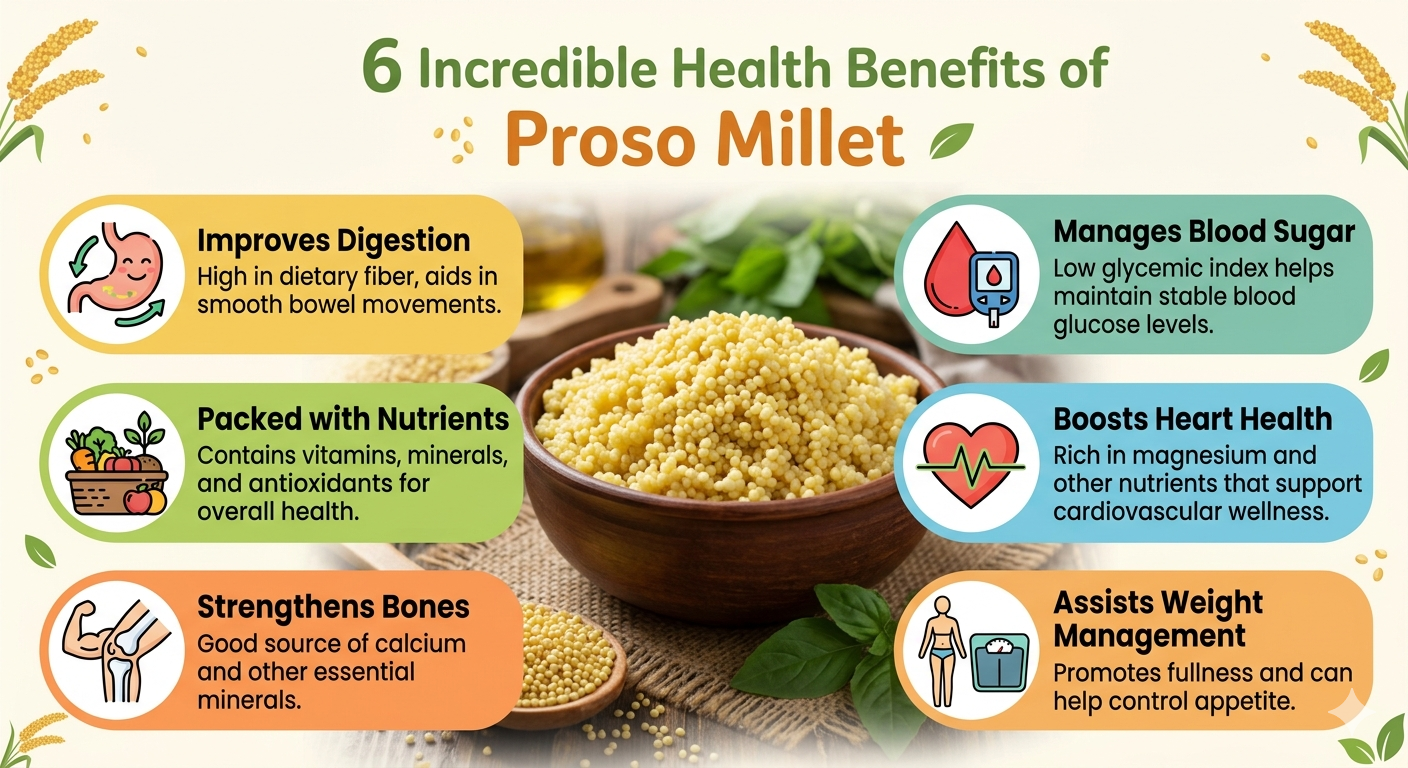
Proso Millet, often called “White Millet,” is a nutrient-dense, gluten-free grain that supports nervous system health, aids in cholesterol management, and offers powerful anti-aging properties through its high antioxidant content. Rich in Niacin and Magnesium, it is an excellent dietary addition for regulating blood sugar and maintaining healthy skin.
Credits: Priya Prakash, Nutrition Coach and Founder of Naturally Yours.
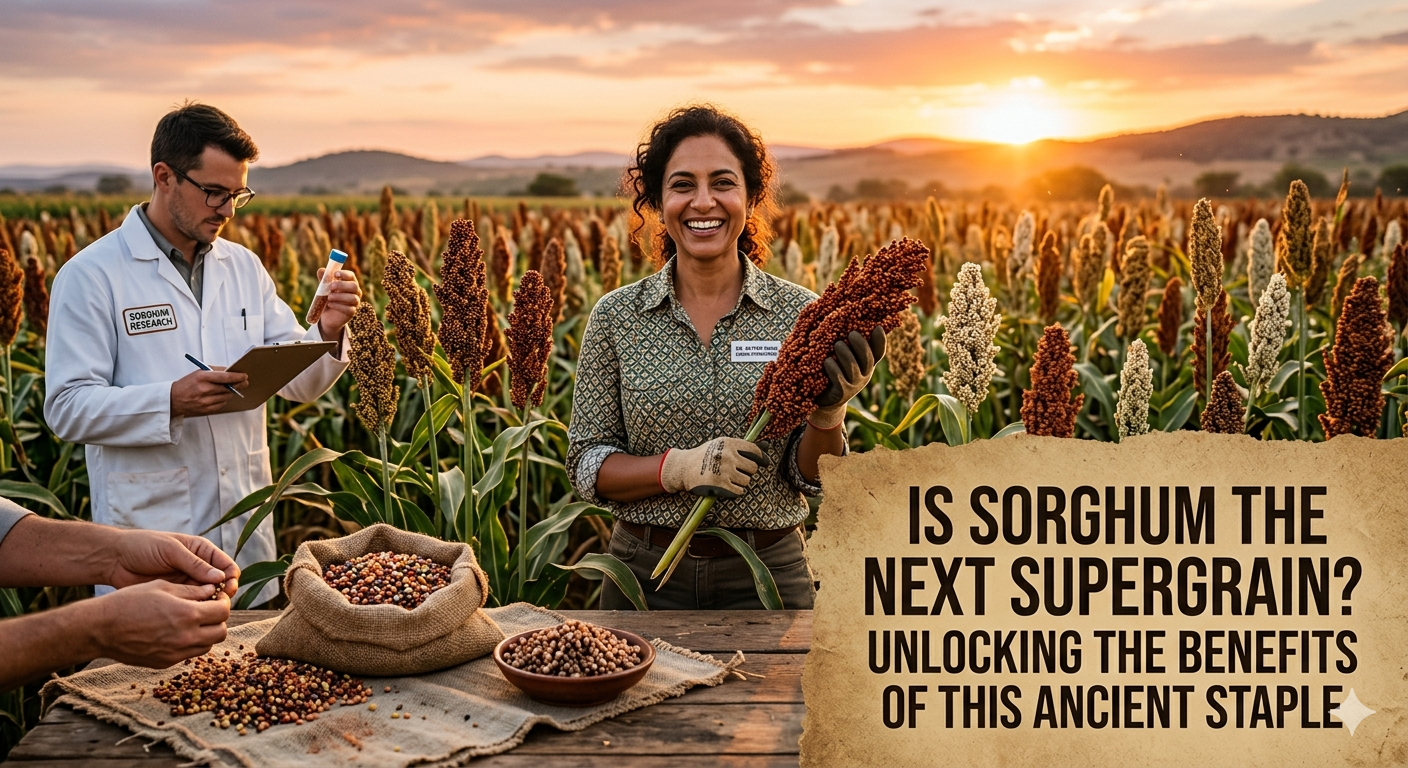
Sorghum is a powerhouse “forgotten grain” that is rapidly gaining recognition as a premier gluten-free alternative. Beyond its high fiber content, it stands out for its exceptional polyphenol levels and unique pigments called 3-deoxyanthocyanins, which support liver detoxification and provide antioxidant protection comparable..
Credits: Dr. Michael Greger, Founder of NutritionFacts.org.
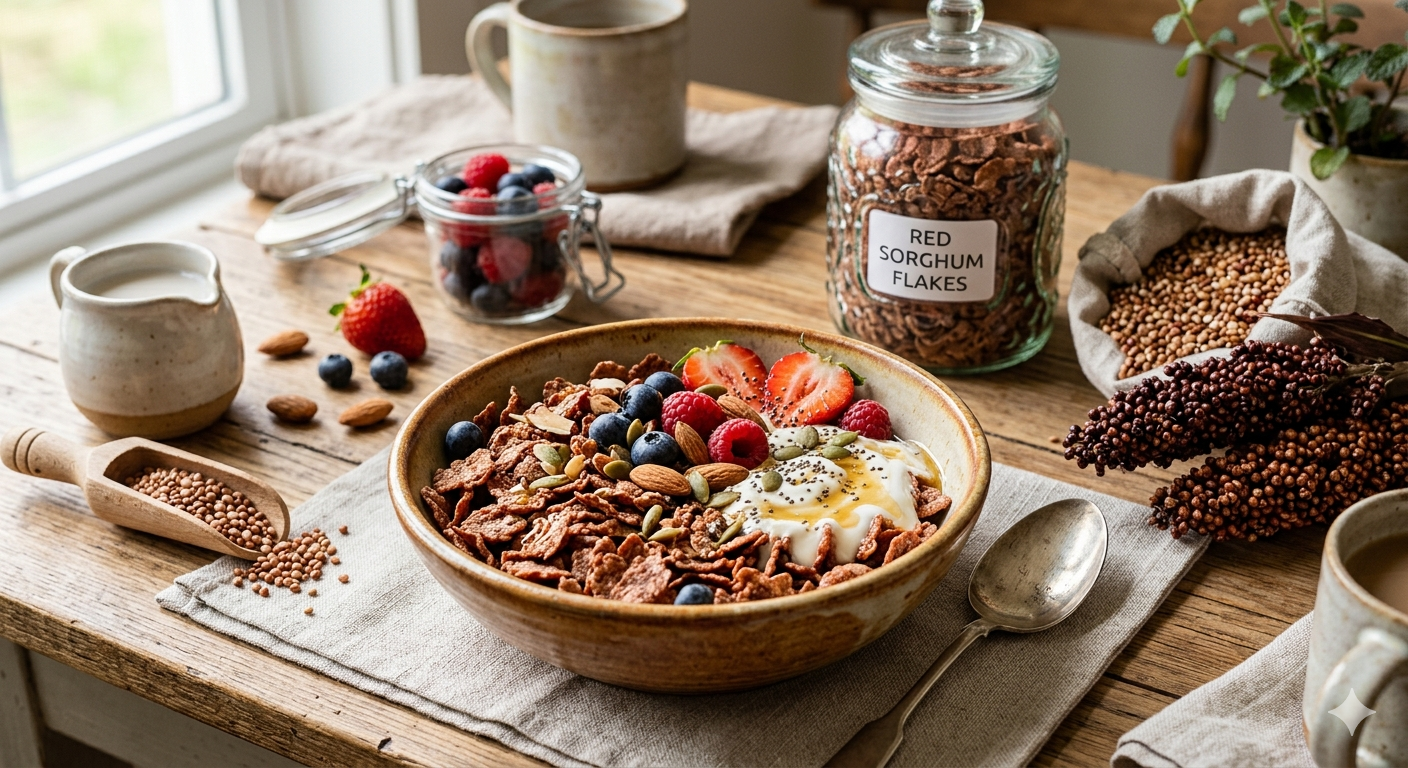
Red Sorghum Flakes (Sivappu Cholam Aval) are a nutritional powerhouse, offering a gluten-free and fiber-rich alternative to processed cereals. Unlike common white grains, the red variety is specifically prized for its high concentration of anthocyanins and polyphenols, which combat inflammation and support heart…
Credits: Dhanas Foods, Promoting the philosophy of “Food is Medicine” through traditional grains.
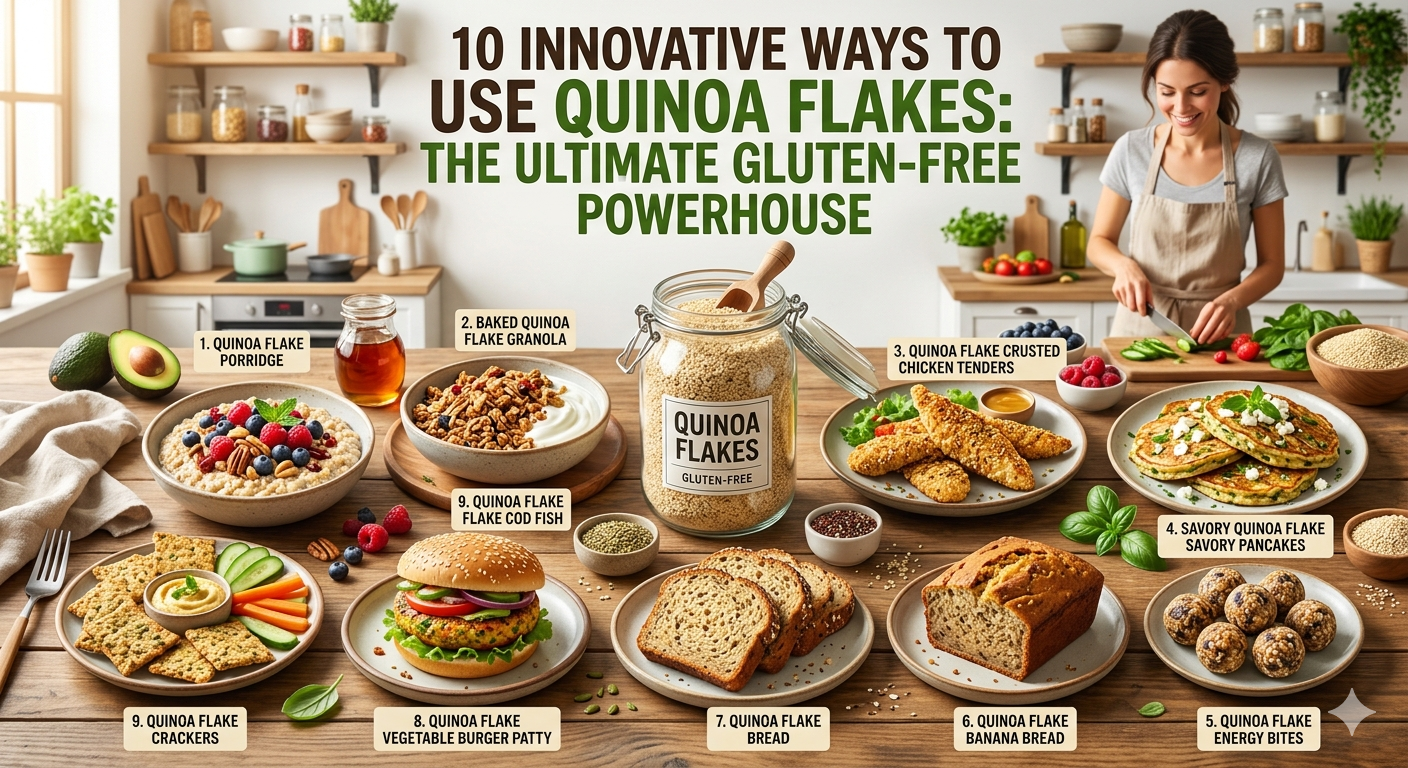
Quinoa flakes are a versatile, protein-packed alternative to traditional oats, offering a complete amino acid profile in a quick-cooking format. From 90-second creamy porridges and protein-rich breakfast cookies to using them as a gluten-free…
Credits: Alyssa Rimmer, Holistic Nutritionist and Founder of Simply Quinoa.
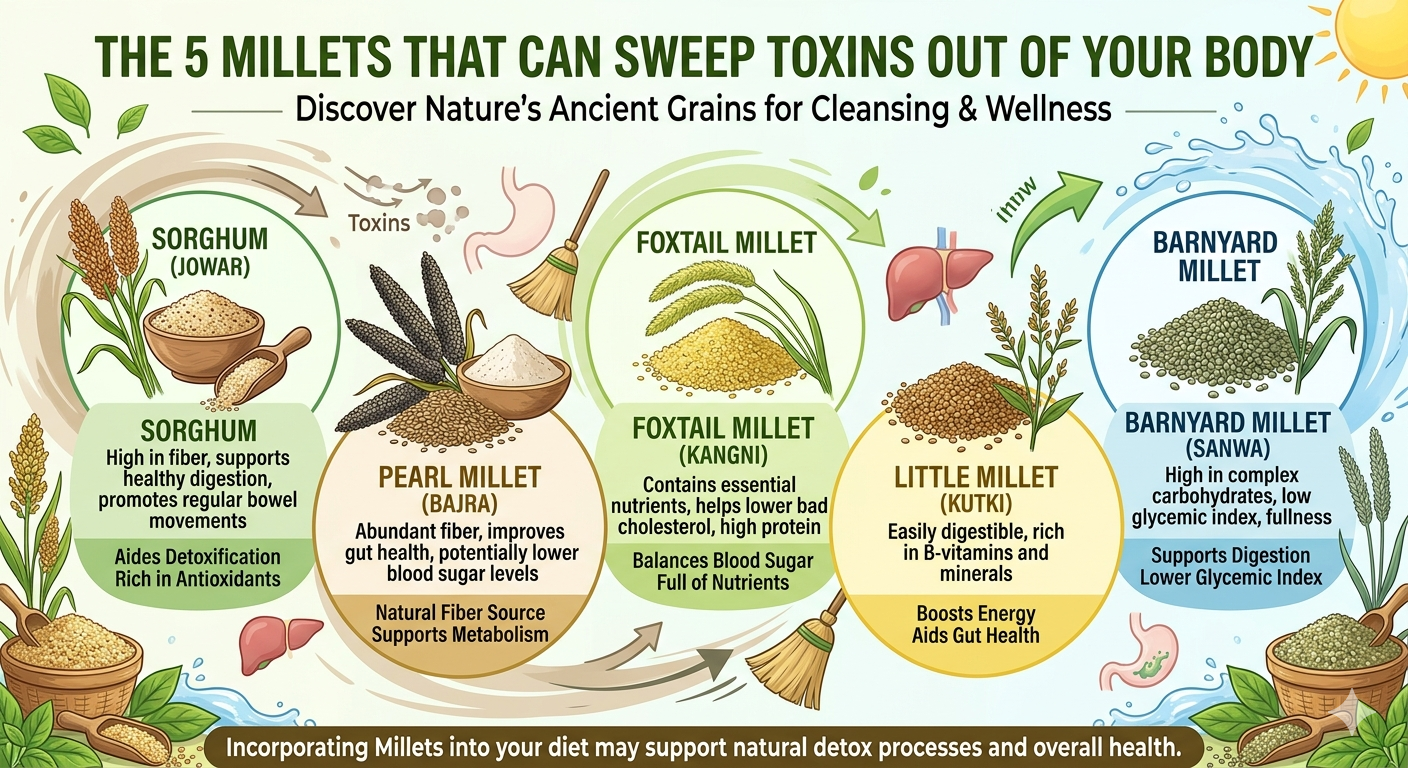
This article presents millets as a natural prebiotic powerhouse that feeds beneficial gut bacteria. It highlights how Barnyard millet acts as a “broom” to sweep toxins out of the system, while Foxtail, Kodo, and Little millets provide easy digestibility and anti-inflammatory support for sensitive digestive…
Credits: Blog by Gramya Ventures.