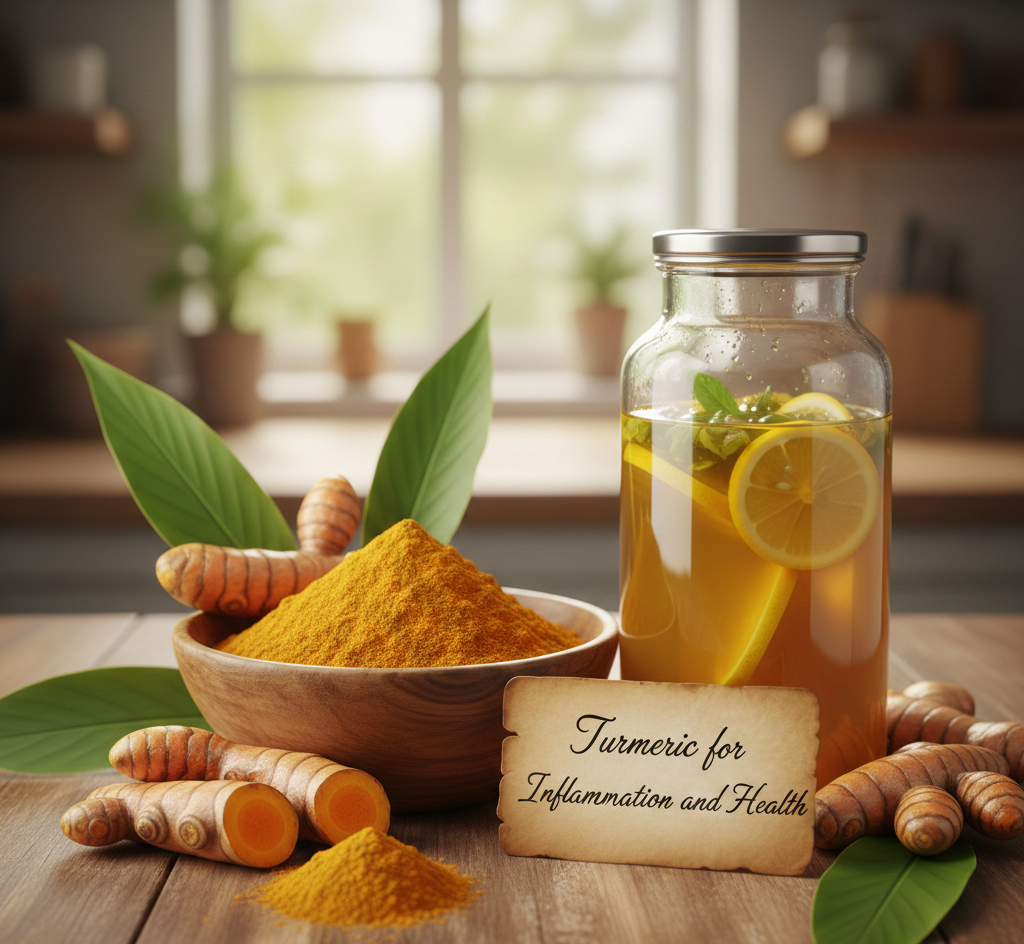
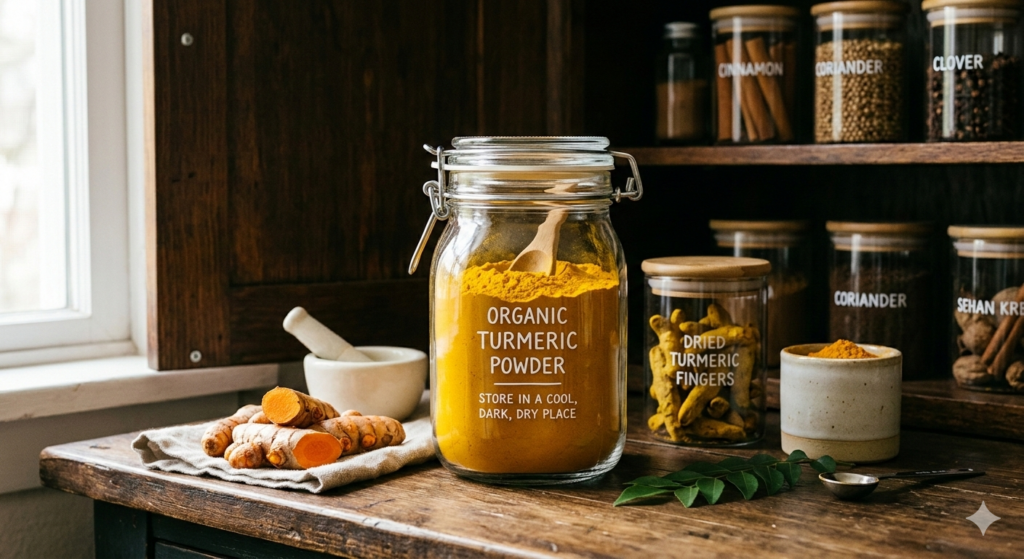
Turmeric has long been valued for its vibrant colour, earthy flavour, and health-supporting properties. Derived from the rhizome of the plant Curcuma longa, this golden spice is a staple in kitchens across Asia and increasingly popular worldwide. Whether used fresh or in powdered form, proper storage is essential to preserve turmeric’s flavour, aroma, and beneficial compounds.
Understanding how to store turmeric correctly helps maintain its potency and prevents spoilage, ensuring that this ancient spice remains effective both in cooking and traditional wellness practices.
Understanding the Two Forms of Turmeric
Turmeric is commonly available in two forms: fresh turmeric root and turmeric powder. Each requires slightly different storage methods.
Fresh turmeric resembles ginger in appearance and contains natural moisture, which makes it more perishable. Turmeric powder, on the other hand, is dried and ground, giving it a longer shelf life but still requiring protection from environmental factors such as light, heat, and air.
Both forms contain curcumin, the active compound responsible for turmeric’s bright yellow colour and many of its well-known properties.
Storing Fresh Turmeric Root
Fresh turmeric should be handled similarly to other fresh rhizomes.
Refrigeration is the best way to keep it fresh. Wrap the turmeric root in a paper towel and place it inside an airtight container or a sealed bag before storing it in the refrigerator’s vegetable drawer. This method helps control moisture and prevents mold growth.
When stored properly, fresh turmeric can last two to three weeks in the refrigerator.
For longer storage, freezing is an effective option. Turmeric roots can be frozen whole or chopped. Once frozen, they can be grated directly into dishes without thawing, making them convenient for cooking.
Storing Turmeric Powder
Turmeric powder is more stable than fresh turmeric but still sensitive to environmental exposure.
To preserve its quality, turmeric powder should be stored in:
- An airtight container
- A cool, dry place
- A cupboard away from direct sunlight
Exposure to light and heat can gradually degrade turmeric’s natural compounds and reduce its flavour intensity. Properly stored turmeric powder typically maintains good quality for six months to one year, although it may remain safe to use beyond that period.
Protecting Turmeric from Moisture
Moisture is one of the main factors that can damage turmeric powder. Even small amounts of humidity can cause clumping and lead to mold growth.
To prevent this:
- Always use a dry spoon when scooping turmeric.
- Avoid storing it near the stove where steam is common.
- Keep the container tightly sealed after every use.
Maintaining low humidity ensures that turmeric remains free-flowing and aromatic.
Signs That Turmeric Has Lost Its Quality
Turmeric rarely spoils in a way that becomes unsafe, but it can lose its quality over time.
Signs that turmeric may be past its prime include:
- Faded colour
- Weaker aroma
- Dull or flat flavour
Fresh turmeric roots may also develop soft spots or mold if stored improperly. In such cases, they should be discarded.
Why Proper Storage Matters
The effectiveness of turmeric in cooking and traditional wellness practices depends on the preservation of its natural compounds. Proper storage helps retain these compounds and ensures that turmeric maintains its characteristic colour, flavour, and beneficial properties.
Organizations such as Spices Board India emphasize correct handling and storage as essential steps in maintaining spice quality throughout the supply chain.
Making the Most of This Ancient Spice
Turmeric has been used for centuries in culinary traditions and healing systems like Ayurveda. Whether grated fresh into curries or added as a powder to soups and beverages, proper storage ensures that this remarkable spice continues to deliver its distinctive flavour and value.
By storing turmeric correctly protecting it from moisture, light, and heat you can preserve the essence of this golden ingredient and enjoy its benefits for months to come.