Turmeric and ginger are often found side by side in kitchens, herbal remedies, and traditional medicine systems. Both belong to the same botanical family and share a similar appearance as underground rhizomes. Yet despite their close relationship, they differ significantly in flavour, chemical composition, and culinary applications.
Understanding the differences between turmeric and ginger helps explain why each plays a unique role in cooking, medicine, and culture across Asia and beyond.
Botanical Relationship
Both turmeric and ginger belong to the same plant family, the Zingiberaceae. This family includes aromatic plants known for their flavourful rhizomes used as spices and herbal remedies.
The species commonly known as turmeric is Curcuma longa, while ginger comes from Zingiber officinale.
Although these plants share genetic similarities, they differ in their chemical compounds, aroma, and biological properties.
Appearance and Physical Characteristics
At first glance, fresh turmeric and ginger rhizomes can appear similar. However, several visual cues make them easy to distinguish.
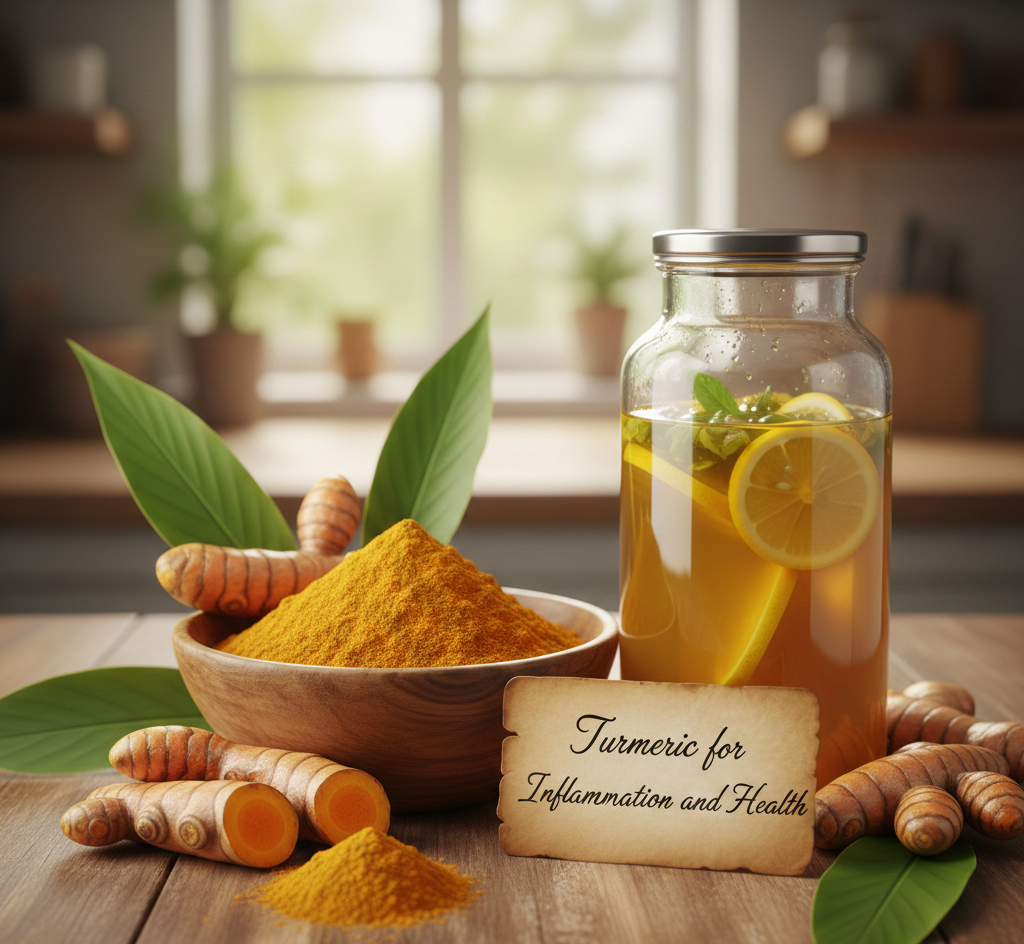
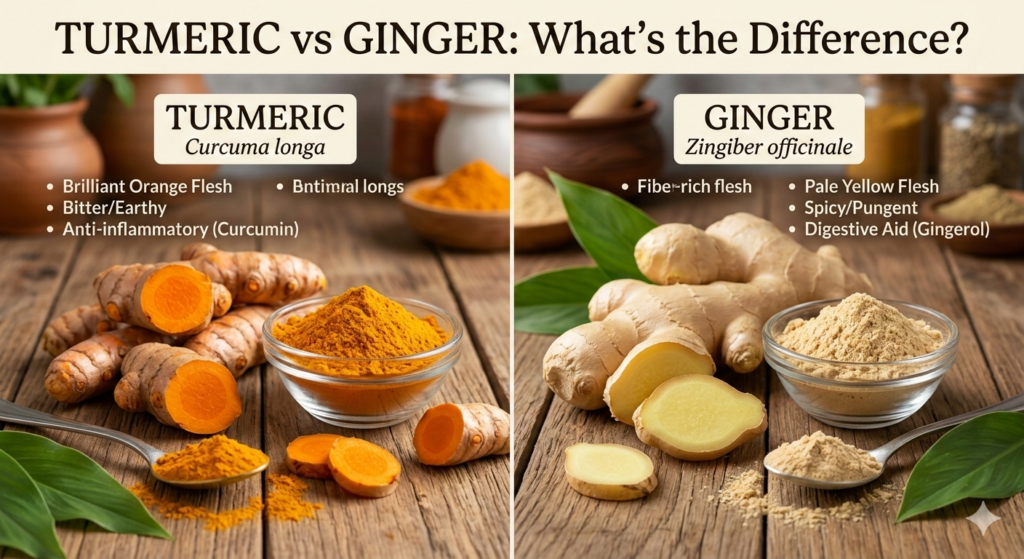
- Turmeric has a thinner brown outer skin and a vibrant orange-yellow interior. When cut open, it reveals the pigment responsible for its intense colour.
- Ginger, on the other hand, has pale yellow flesh with a fibrous texture. Its aroma is sharp and spicy rather than earthy.
Turmeric also tends to stain hands, cutting boards, and fabrics due to its natural pigment, curcumin.
Flavour and Culinary Uses
The flavour profiles of turmeric and ginger differ markedly.
- Turmeric has a warm, earthy, slightly bitter taste. It is most commonly used as a spice in curries, rice dishes, and spice blends. Its main culinary role is to add colour, depth, and subtle bitterness to food.
- Ginger delivers a spicy, peppery heat with citrus-like brightness. It is widely used in both savory and sweet dishes, from stir-fries and soups to baked goods and beverages.
In Indian cuisine, turmeric is usually used as a powdered spice added during cooking, while ginger is often used fresh, grated, or crushed.
Key Active Compounds
The health properties of turmeric and ginger come from different bioactive compounds.
- Turmeric contains curcuminoids, especially curcumin, which has been widely studied for its antioxidant and anti-inflammatory properties.
- Ginger contains compounds called gingerols and shogaols, which contribute to its pungent flavour and are associated with digestive and anti-nausea effects.
These differences in chemical composition explain why turmeric is often associated with inflammation support, while ginger is commonly used for digestive comfort.
Traditional Medicine Applications
Both turmeric and ginger have deep roots in traditional medicine systems such as Ayurveda and other Asian healing traditions.
- Turmeric has historically been used for wound care, skin conditions, and inflammatory disorders.
- Ginger has been widely used to support digestion, relieve nausea, and improve circulation.
These uses developed through centuries of observation and practice, long before modern pharmacological research began examining their active compounds.
Nutritional Differences
From a nutritional perspective, both spices contain beneficial plant compounds, but they serve different functions.
Turmeric is valued primarily for curcumin and other antioxidants.
Ginger provides small amounts of vitamin C, magnesium, and bioactive compounds that may aid digestion and metabolic processes.
In everyday cooking, both spices are typically used in small quantities, so their culinary value often outweighs their direct nutritional contribution.
When to Use Each Spice
Choosing between turmeric and ginger depends largely on the dish or purpose.
Turmeric is best suited for:
- Curries and lentil dishes
- Rice and vegetable preparations
- Golden milk and herbal drinks
- Natural food colouring
Ginger works well in:
- Stir-fries and marinades
- Soups and broths
- Teas and digestive tonics
- Baked goods and desserts
Many recipes actually combine both spices, allowing their flavors and properties to complement one another.
A Shared Culinary Heritage
Turmeric and ginger illustrate how closely related plants can evolve into distinct cultural staples. Despite belonging to the same botanical family, their flavours, compounds, and uses diverged across culinary traditions.
Today, both spices remain essential ingredients across global cuisines, from Indian curries to East Asian soups and modern wellness beverages.
Understanding their differences helps cooks and consumers appreciate not only their individual qualities but also the botanical diversity hidden within everyday ingredients.