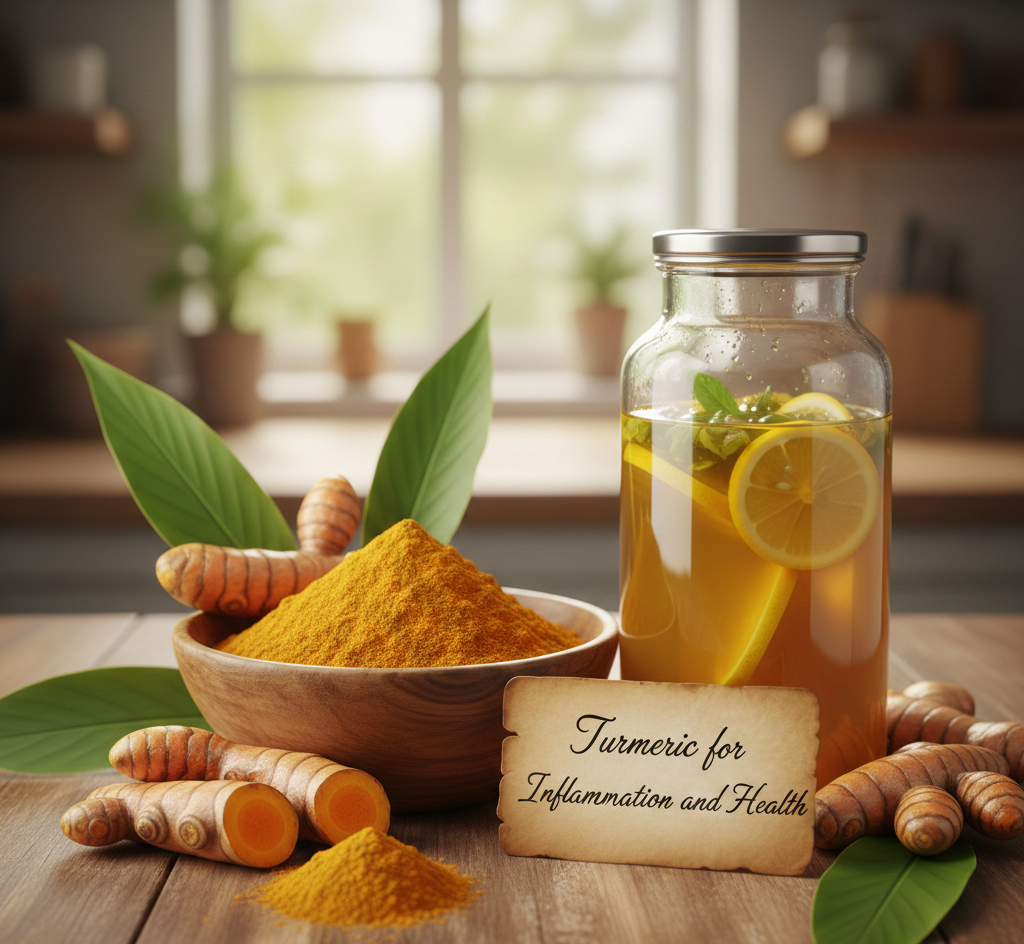
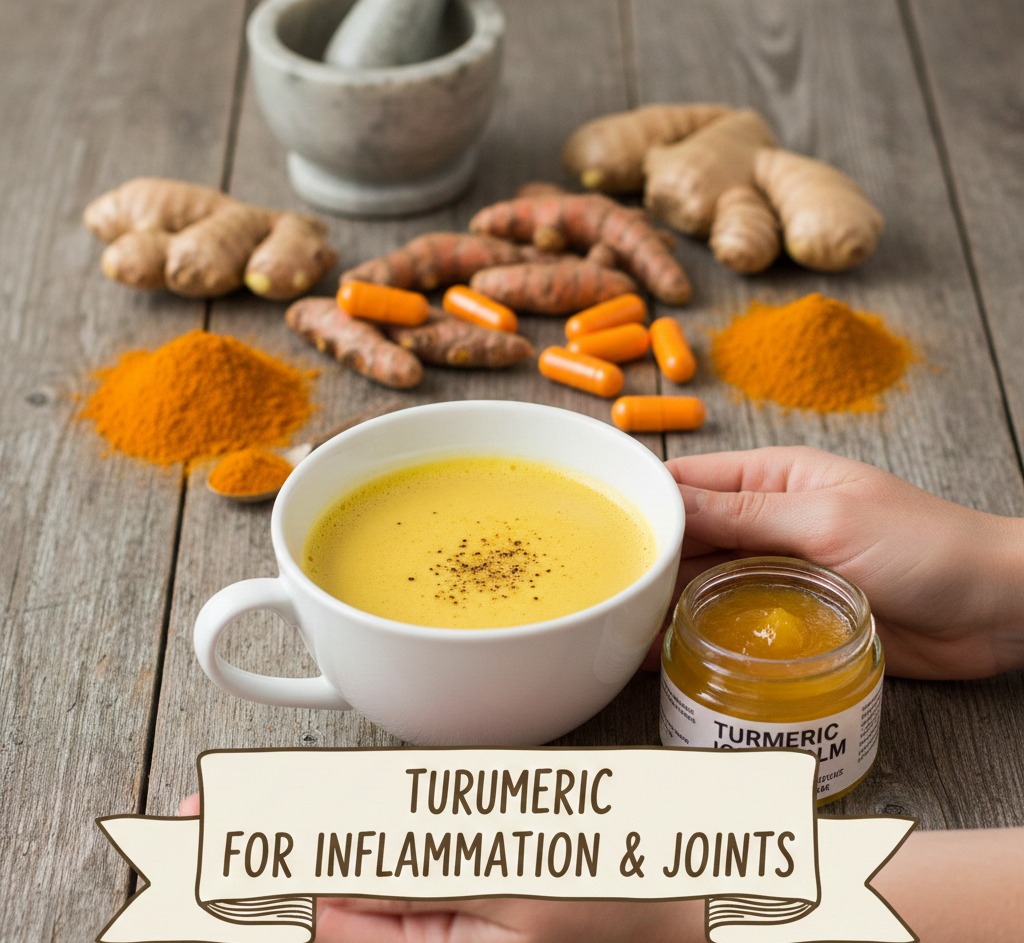
This reviews clinical evidence regarding turmeric’s ability to manage arthritis and protect heart health. The report highlights how curcumin requires specific dietary fats and black pepper to be effectively absorbed and utilized by the body.
The Golden Healer: Does Turmeric Actually Work for Joint Pain and Inflammation?
If you’ve spent any time looking for natural ways to manage joint stiffness or chronic aches, you’ve undoubtedly run into turmeric. This vibrant, golden-orange spice a staple in Ayurvedic medicine for thousands of years has moved from the spice rack to the medicine cabinet.
But does the science actually back up the hype? Based on recent clinical evidence, including insights from Harvard Health, here is the deep dive into why turmeric is the “Gold Standard” for joint health and how to actually make it work for you.
The Secret Weapon: Curcumin
While turmeric contains hundreds of compounds, the star of the show is curcumin. This is the active ingredient responsible for turmeric’s powerful anti-inflammatory effects.
In a healthy body, inflammation is a temporary tool used to fight off infection. But with conditions like osteoarthritis or rheumatoid arthritis, inflammation becomes chronic, attacking the body’s own tissues and wearing down joint cartilage. Curcumin works by blocking NF-kB a molecule that travels into the nuclei of your cells and “turns on” genes related to inflammation.
What the Science Says
One of the most exciting areas of research is how turmeric stacks up against over-the-counter painkillers.
Multiple studies have shown that patients with knee osteoarthritis experienced similar pain relief when taking curcumin extracts as they did when taking ibuprofen (Advil) or diclofenac. The best part? The curcumin groups often reported significantly fewer gastrointestinal side effects (like stomach upset) than those taking NSAIDs.
Key Benefits for Joints
- Reduced Stiffness: Helps improve mobility in “morning joints.”
- Swelling Reduction: Lowers inflammatory markers in the synovial fluid around joints.
- Cartilage Protection: Some studies suggest curcumin may help slow the enzymatic breakdown of cartilage.
The “Bioavailability” Problem (And How to Fix It)
Here is the catch: Curcumin is notoriously difficult for the body to absorb. If you just swallow a spoonful of turmeric powder, most of it will pass right through your system without ever reaching your joints.
To unlock the benefits, you must follow the “Golden Rules of Absorption”:
- Add Black Pepper: Black pepper contains a compound called piperine. Research shows that combining piperine with curcumin can increase absorption by a staggering 2,000%.
- Eat with Healthy Fats: Curcumin is fat-soluble. To get it into your bloodstream, take your supplement or cook your turmeric with healthy fats like olive oil, avocado, or coconut milk.
- Heat it Up: Activating turmeric with heat (as in a curry or “Golden Milk”) helps further dissolve the compounds for better uptake.
How to Use Turmeric for Maximum Relief
- The Culinary Approach
Cooking with turmeric is great for general wellness and prevention. Add it to soups, stews, rice, or roasted vegetables. However, because turmeric is only about 3% curcumin by weight, you likely won’t get a “therapeutic dose” for severe joint pain through food alone.
- The Supplement Approach
If you are managing chronic inflammation, a high-quality extract is usually necessary. Look for:
- Standardized Extracts: Ensure it contains 95% curcuminoids.
- Enhanced Formulas: Look for “Phytosome” technology (like Meriva) or “Liposomal” formulas, which are designed for superior absorption.
- Third-Party Testing: Ensure the brand is tested for heavy metals (like lead), which can sometimes contaminate turmeric root.
Is it Safe?
Turmeric is generally recognized as safe, but it is powerful. You should consult your doctor first if:
- You are on blood thinners: Turmeric has mild anticoagulant properties.
- You have gallstones: It can cause the gallbladder to contract.
- You are facing surgery: Most doctors recommend stopping turmeric supplements two weeks before a procedure.
Turmeric isn’t just a trend; it’s one of the most thoroughly researched natural anti-inflammatories on the planet. For those looking to reduce their reliance on painkillers and support long-term joint mobility, adding the “Golden Spice” to your daily routine is a science-backed win.