Jackfruit, known as Kathal in Hindi and Chakka in Malayalam, is one of India’s most versatile tropical fruits. But what truly makes it unique is that it’s like two fruits in one — raw jackfruit and ripe jackfruit differ vastly in flavor, texture, and even nutritional value. Whether you’re using it in spicy curries or enjoying it as a sweet dessert, knowing the differences can help you make the most of this wonder fruit.
1. Raw Jackfruit: The “Vegetable Meat”
Appearance and Texture
Raw jackfruit is firm, fibrous, and pale green. Its unripe flesh has a neutral taste that easily absorbs spices, earning it the nickname “vegetarian’s meat” or “vegan pulled pork.”
This blog is a part of our The Ultimate Guide to Jackfruit: India’s Miracle Fruit blogpost.
Nutrition Profile (per 100g)
-
Calories: ~95 kcal
-
Carbohydrates: 23g
-
Protein: 2.5g
-
Fiber: 3g
-
Fat: 0.6g
-
Vitamin C, B6, Magnesium, and Potassium
Health Benefits
Regulates Blood Sugar: Its lower sugar content and high fiber make it suitable for diabetics.
Boosts Immunity: Rich in vitamin C and antioxidants.
Improves Digestion: High in dietary fiber promotes gut health.
Aids in Weight Management: Low fat and filling texture keep you full longer.
Popular Raw Jackfruit Dishes
-
Jackfruit Curry (Chakka Erissery or Kathal ki Sabzi)
-
Jackfruit Biryani or Pulled Jackfruit Tacos
-
Jackfruit Stir-fry or Cutlets
2. Ripe Jackfruit: The Sweet Tropical Delight
Appearance and Texture
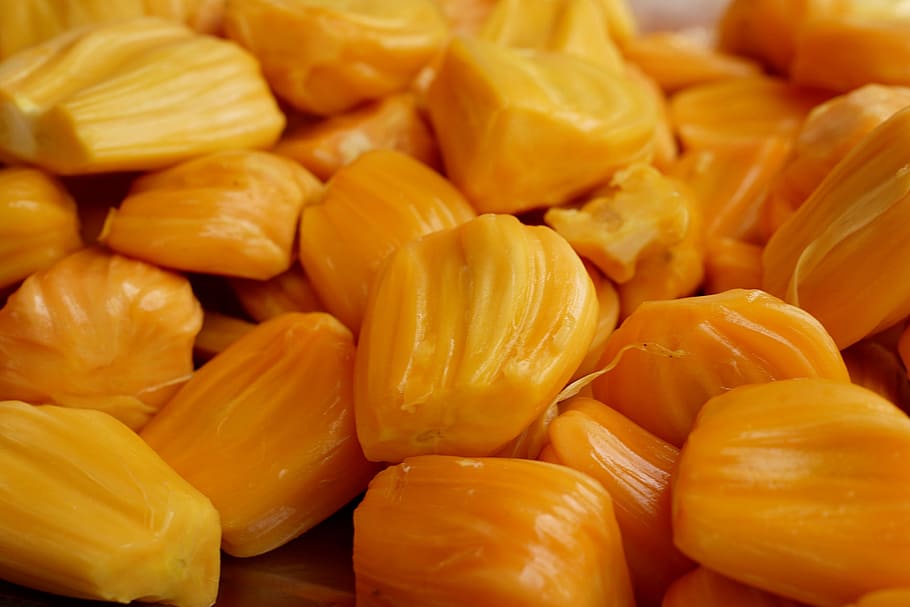
Ripe jackfruit turns yellow or golden, becoming sweet, aromatic, and juicy. Its soft bulbs (pods) are delicious when eaten fresh or used in desserts.
Nutrition Profile (per 100g)
-
Calories: ~157 kcal
-
Carbohydrates: 38g
-
Protein: 1.7g
-
Fiber: 1.5g
-
Fat: 0.3g
-
High in Vitamin A, C, and natural sugars (sucrose & fructose)
Health Benefits
Natural Energy Booster: High carbohydrate and sugar content make it an instant energy source.
Improves Vision: Packed with Vitamin A for eye health.
Supports Skin Health: Vitamin C helps collagen production and fights oxidative stress.
Heart-Friendly: Contains potassium and antioxidants for healthy blood pressure levels.
Popular Ripe Jackfruit Dishes
-
Jackfruit Ice Cream & Milkshake
-
Chakka Payasam / Jackfruit Jam (Chakka Varatti)
-
Jackfruit Chips, Pancakes, and Smoothies
3. Key Differences: Raw vs. Ripe Jackfruit
| Feature | Raw Jackfruit | Ripe Jackfruit |
|---|---|---|
| Taste | Mild, neutral | Sweet and fruity |
| Texture | Firm and meaty | Soft and pulpy |
| Use in Cooking | Curries, cutlets, biryanis | Desserts, juices, snacks |
| Nutritional Focus | High fiber, low sugar | High sugar, rich in vitamins |
| Health Benefit | Weight control, blood sugar balance | Energy boost, skin & eye health |
4. Cooking & Handling Tips
-
Oil your hands and knife before cutting to prevent the sticky latex from sticking.
-
Boil or pressure-cook raw jackfruit before using in curries.
-
Store ripe bulbs in the refrigerator for 2–3 days or freeze them for longer use.
-
Use jackfruit seeds too! They’re high in protein and can be roasted or added to curries.
Final Thoughts
Jackfruit is truly a miracle fruit — offering both a savory and sweet personality in one plant.
-
If you want a healthy, meat-like texture in your curries or vegan dishes, raw jackfruit is your go-to.
-
If you crave a tropical dessert or natural energy snack, ripe jackfruit is the perfect choice.
Whichever form you enjoy, jackfruit proves that nature can be both nutritious and delicious at every stage of ripeness.