Jackfruit — India’s “Miracle Fruit” — is not just the largest fruit in the world but also one of the most diverse. From Kerala to Assam, India is home to dozens of jackfruit varieties, each unique in taste, texture, color, and use. Some are best for eating raw, some make the creamiest chips, and others turn into mouthwatering curries.
In this guide, we’ll explore the Top 10 Jackfruit Varieties in India, complete with their characteristics, regions, and traditional uses.
1. Varikka Chakka (Kerala)
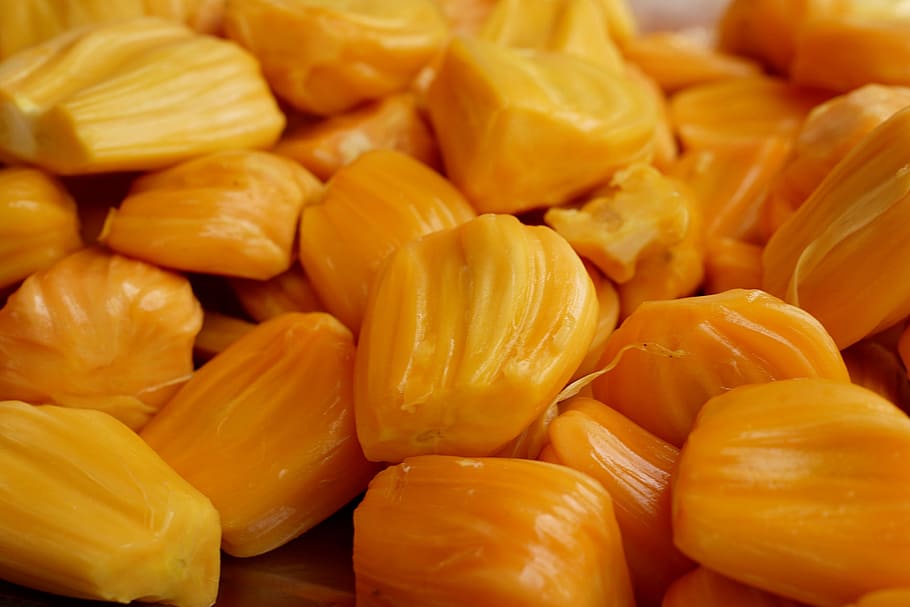
Taste & Texture: Sweet, firm, and golden yellow bulbs.
Best Use: Eaten fresh or used for chips.
Specialty: This is Kerala’s most popular “hard flesh” variety — perfect for long storage and rich flavor.
Fun Fact: High sugar content makes it ideal for desserts like chakka varatti (jackfruit jam).
2. Koozha Chakka (Kerala & Tamil Nadu)
Taste & Texture: Soft, pulpy, and highly aromatic.
Best Use: Perfect for jackfruit shakes, jams, and ice creams.
Specialty: Often used in traditional dishes like chakka payasam.
Tip: Not great for chips, but unbeatable in sweetness.
This blog is a part of our The Ultimate Guide to Jackfruit: India’s Miracle Fruit blogpost.
3. Honey Jack (Tamil Nadu & Karnataka)
Taste & Texture: Extremely sweet with a honey-like fragrance.
Best Use: Fresh consumption or desserts.
Specialty: Smaller size but intensely flavored.
Highlight: A favorite among home growers for its fast fruiting.
4. Dang Surya (Assam & Northeast India)
Taste & Texture: Deep orange color with crisp flesh.
Best Use: Fresh eating, juice extraction.
Specialty: High carotene content, making it both tasty and nutritious.
Trivia: One of the most commercial jackfruit varieties of Northeast India.
5. Toobugere Jack (Karnataka)
Taste & Texture: Medium sweet, moderately firm.
Best Use: Chips and curries.
Specialty: Grown widely around Bengaluru; known for high yield.
Bonus: It’s drought-tolerant and easy to cultivate organically.
6. Palur-1 (Tamil Nadu Agricultural University Variety)
Taste & Texture: Uniform bulbs, less latex, firm and bright yellow.
Best Use: Value-added products (chips, jams, candies).
Specialty: Developed for commercial farming and export.
Note: It’s a farmer’s favorite for consistent yield and quality.
7. Rudrakshi Jack (Karnataka & Maharashtra)
Taste & Texture: Firm, crunchy, and mildly sweet.
Best Use: Best for vegetable curries (chakka thoran, idichakka varattiyathu).
Specialty: Seeds are larger, and bulbs have a pleasant nutty aroma.
Unique Point: Used in many temple feasts for its savory versatility.
8. Gulabi Jack (Kerala)
Taste & Texture: Pinkish bulbs, soft, and rich aroma.
Best Use: Fresh eating and desserts.
Specialty: Rare and premium — the pink color adds visual appeal to fruit salads.
Pro Tip: High in antioxidants compared to regular yellow-fleshed types.
9. Jajpur Jack (Odisha)
Taste & Texture: Golden-yellow flesh with a unique mild sweetness.
Best Use: Boiled or cooked as vegetable.
Specialty: Known for its large size and long shelf life.
Cultural Note: Used in Odisha’s traditional festive dishes.
10. Burli Jack (Maharashtra)
Taste & Texture: Semi-firm bulbs with moderate sweetness.
Best Use: Both ripe and unripe stages — good for sabzi and snacks.
Specialty: Adaptable to hot, dry climates.
Farm Insight: Popular among farmers for its resistance to pests.
Bonus: Hybrid & Modern Varieties
Modern research centers in India have also introduced high-yielding hybrids like:
-
Siddu Jack (Karnataka) – Early fruiting, uniform size.
-
Swetha Jack (Kerala) – Low latex and high pulp ratio.
-
NS1 & NS2 (Tamil Nadu) – Popular for commercial jackfruit processing.
How to Choose the Right Jackfruit Variety
When selecting a variety to plant or purchase:
-
For Sweet Lovers: Honey Jack, Varikka, or Gulabi.
-
For Cooking: Rudrakshi, Toobugere, or Jajpur.
-
For Processing/Business: Palur-1, Dang Surya, or NS1.
India’s jackfruit diversity is a treasure — from soft pink to firm golden bulbs, every region tells a story through its flavor. Whether you enjoy it fresh, fried, or fermented, there’s a variety for every plate and palate.
Jackfruit isn’t just a fruit; it’s a legacy of taste, health, and sustainability.